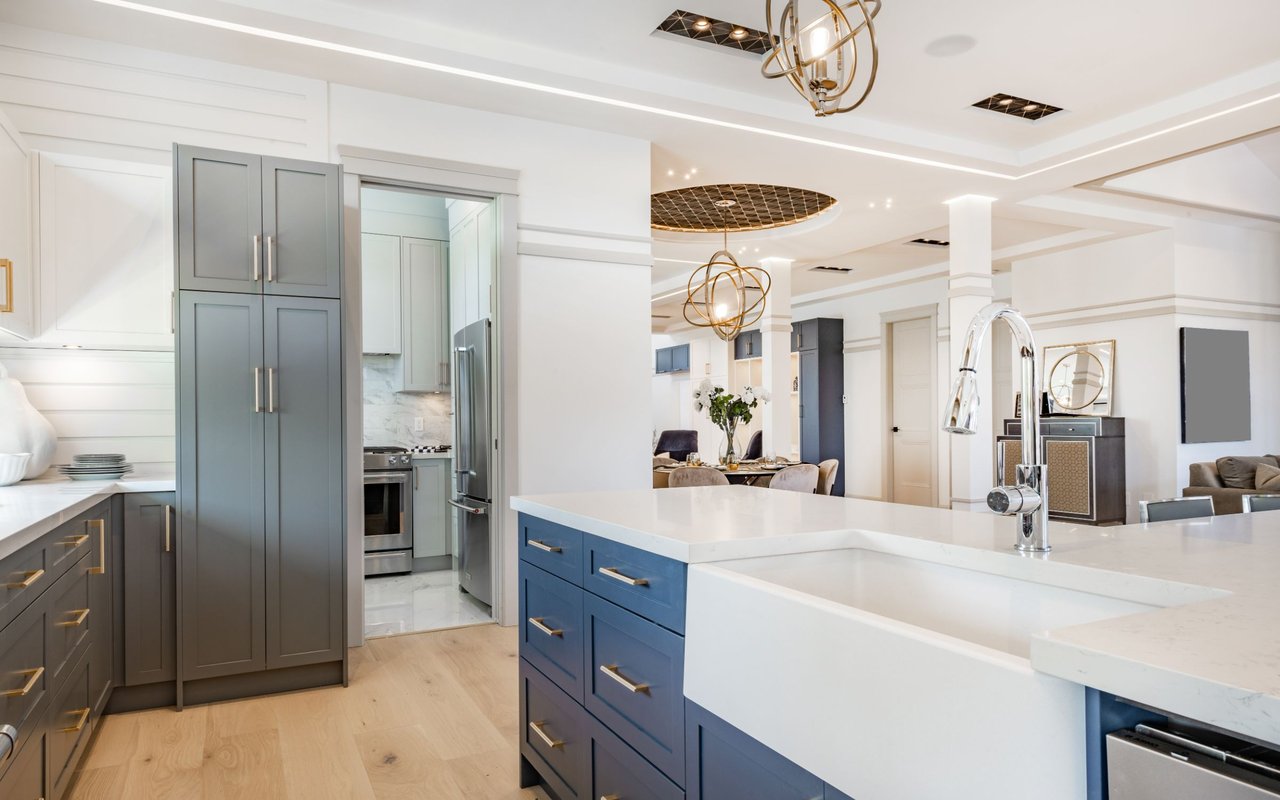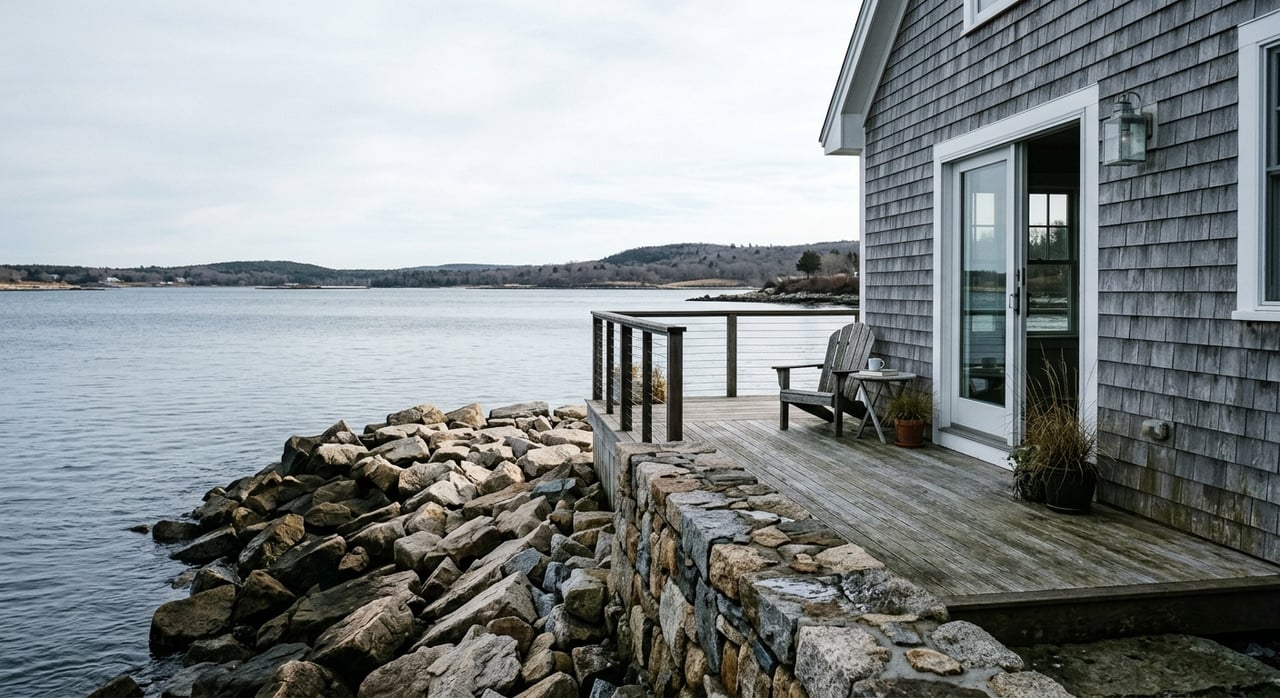
If you are deciding between a waterfront home and an in-town home in Bristol County, the price tag is only part of the story. Many buyers are drawn to the view, access to the water, and the lifestyle that comes with a coastal setting, while others want walkability, simpler upkeep, and easier long-term ownership. Understanding how these two categories differ can help you make a smarter move, whether you are buying for daily living, a second home, or future resale. Let’s dive in.
Bristol County Market Snapshot
Bristol County includes Barrington, Bristol, and Warren, and the market remains relatively tight by current public measures. As of February 2026, Realtor.com reports 83 active homes county-wide, with a median listing price of $650,000, 39 median days on market, and a 100% sale-to-list ratio.
Closed-sale data also shows meaningful price variation across the county. According to RI Realtors Q1 2025 data, Bristol County posted 69 single-family sales at a median price of $675,000 and 52 average days on market. Within the county, Barrington reached a $727,000 median, Bristol came in at $700,000, and Warren was $547,000.
That matters because any waterfront versus in-town comparison should start with the reality that Bristol County is not one uniform market. Your best comparison is usually the nearest micro-market, not just the county average.
Waterfront Prices Carry a Premium
Current listing data shows that waterfront homes in Bristol County generally command a higher asking price than the broader market. Realtor.com’s waterfront search shows 19 active waterfront homes with a median listing price of $729,000.
That puts waterfront inventory at about a 12% premium over the county-wide median listing price of $650,000. Compared with Bristol town’s overall median listing price of $615,000, the waterfront median is about 19% higher.
This premium reflects more than just the address. In coastal markets, buyers often pay for views, direct frontage, harbor access, and the scarcity that comes with limited shoreline inventory.
In-Town Homes Offer a Different Value
In-town homes often appeal to buyers who want a more straightforward ownership experience. While they may not offer the same water-focused lifestyle, they can provide easier maintenance, fewer insurance complications, and broader resale flexibility.
In Bristol proper, the distinction between waterfront and in-town is not always clean. Current listing snapshots in Bristol show 13 active listings in Downtown Bristol, 3 in The Narrows, and 1 in Poppasquash, with Downtown Bristol carrying a median listing price of $742,500.
That overlap is important. In Bristol County, some in-town homes may still capture strong pricing if they offer walkability, a historic setting, or partial water views. In other words, location value here is layered, not binary.
Why the Line Can Blur
Waterfront and in-town homes in Bristol County do not always fall into separate buckets. A home near the harbor, in a historic area, or close to downtown amenities may compete with waterfront properties even without direct shoreline frontage.
That is especially true in Bristol, where buyers may be comparing several lifestyle features at once, such as:
- Water views
- Walkability to downtown
- Historic character
- Yard or outdoor entertaining space
- Harbor or marina proximity
- Ease of year-round use
When these features overlap, pricing can tighten between categories. That is why broad averages are useful for context, but they do not replace property-level analysis.
Waterfront Costs Go Beyond the Purchase Price
The biggest difference between waterfront and in-town ownership is often what happens after closing. Waterfront homes may justify a premium, but they can also come with more variables tied to insurance, permitting, and upkeep.
Bristol’s local planning documents note that the town sits on a peninsula between Narragansett Bay and Mount Hope Bay and is vulnerable to flooding from sea-level rise, storm surge, and heavy rain. The Town of Bristol hazard mitigation plan also says a 2022 vulnerability review found more than 33 historically and architecturally significant properties in the Bristol Waterfront Historic District at high risk under 2 feet of sea-level rise, with roughly $40 million in assessed value affected.
For buyers, that means waterfront ownership is not just about the view. It is also about understanding how flood exposure can shape your monthly costs, future improvement plans, and resale process.
Flood Insurance and Local Rules Matter
If you are comparing a waterfront home to an in-town one, flood-zone status should be part of your first-round research. According to FEMA, flood insurance is a separate policy and is required for homes in high-risk flood areas when the mortgage is backed by the government.
FEMA also identifies its Flood Map Service Center as the official source for flood-hazard maps. That gives buyers a reliable place to confirm whether a property sits in a high-risk area before they move too far into a decision.
There is also an important local wrinkle. Bristol’s hazard plan notes that the town participates in FEMA’s Community Rating System and currently receives a 15% flood-insurance discount, saving homeowners an average of about $247 annually. The same local plan also references a coastal buffer zone within 200 feet of shoreline features and a floodplain overlay district, both of which may affect setbacks, permits, and future improvements.
For some properties, details can be nuanced. The CRMC coastal property guidance referenced in the research adds that if only part of a property is in a flood zone, structures outside that zone do not require flood insurance.
Resale Appeal Is Premium vs. Complexity
Waterfront homes often attract strong interest because they offer something scarce and emotionally compelling. But their buyer pool is usually more selective than the pool for in-town homes.
A Freddie Mac coastal study found that water views carried an 11% premium, ocean views carried a 36% premium, and homes in FEMA floodplains sold for 4.3% less. That study focused on coastal Florida, so it is not a Bristol-specific pricing rule, but it helps explain the tradeoff many coastal buyers and sellers face.
Bristol County’s market trends point in a similar direction. RI Realtors reported that coastal areas had the highest median prices in 2023, that 13.7% of Bristol County residential sales were luxury transactions, and that out-of-state buyers accounted for one in four Rhode Island sales overall.
For resale, that suggests waterfront homes can draw a broader lifestyle-driven audience, including second-home and out-of-state buyers. At the same time, in-town homes usually appeal to a wider everyday buyer pool because ownership is often simpler and carrying costs may be lower.
Seasonality Can Affect Strategy
Timing matters in any coastal market, and it may matter even more for waterfront listings. RI Realtors notes that Rhode Island housing activity is seasonal, with sales typically increasing from February to March, and that the spring market showed increased activity in April 2024.
For waterfront homes, spring and early summer are often the most natural showing windows. Buyers can better evaluate views, docks, yard use, and outdoor living when the property is experienced in season.
In-town homes may feel less seasonal because their appeal often centers on layout, condition, convenience, and neighborhood access. That can make them a little easier to market consistently across the year.
Which Home Type Fits Your Goals?
The better choice depends on what you value most in ownership.
If you are considering a waterfront home, you may be prioritizing:
- Scarcity and lifestyle value
- Views or direct water access
- A second-home or retreat setting
- Premium long-term appeal to niche buyers
If you are considering an in-town home, you may be prioritizing:
- Simpler insurance and maintenance planning
- Easier year-round living
- Walkability and convenience
- Broader future resale flexibility
Neither option is automatically better. The real question is how the location changes your costs, use of the property, and likely buyer pool when it is time to sell.
Smart Questions to Ask Early
Before you choose between waterfront and in-town, it helps to narrow the decision with practical questions:
- Is the property in a FEMA high-risk flood area?
- What is the current flood insurance estimate?
- Are there setback, buffer, or permit limits that affect future plans?
- Does the price reflect direct frontage, a view, or just proximity to water?
- Which nearby micro-market offers the most relevant comparable sales?
- Will you use the home year-round, seasonally, or as an investment?
These questions can save you time and reduce surprises later in the process.
The Bottom Line for Bristol County
In Bristol County, waterfront homes usually earn their premium through scarcity, views, and coastal lifestyle appeal. In-town homes usually stand out for simpler ownership, lower carrying-cost risk, and a wider resale audience.
Because this market includes everything from walkable in-town homes to historic properties and shoreline residences, the smartest comparisons happen at the micro-market level. If you want help weighing the tradeoffs between waterfront and in-town homes in Bristol County or along the Rhode Island coast, Hillary Olinger can help you look beyond the headline price and focus on the details that shape long-term value.
FAQs
What is the price difference between waterfront and in-town homes in Bristol County?
- Current listing data shows waterfront homes in Bristol County at a median listing price of $729,000, compared with a county-wide median of $650,000, which is about a 12% premium.
Are waterfront homes in Bristol County always in a separate price category?
- No. In Bristol County, pricing can blur when an in-town home also offers features like water views, walkability, historic location, or harbor proximity.
Do Bristol County waterfront homes require flood insurance?
- Some do. FEMA says flood insurance is required for homes in high-risk flood areas when financed with a government-backed mortgage, so buyers should check flood maps and insurance quotes early.
What are the extra ownership costs for waterfront homes in Bristol County?
- In addition to a higher purchase price, waterfront homes may involve flood insurance, added maintenance, and local zoning or permitting considerations tied to shoreline or floodplain rules.
Are in-town homes easier to resell in Bristol County?
- In many cases, yes. In-town homes often appeal to a broader buyer pool because they may have simpler carrying costs and fewer flood-related concerns.
When is the best time to list a waterfront home in Bristol County?
- Spring and early summer are often strong timing windows because buyers can better assess views, outdoor living, docks, and other seasonal waterfront features.