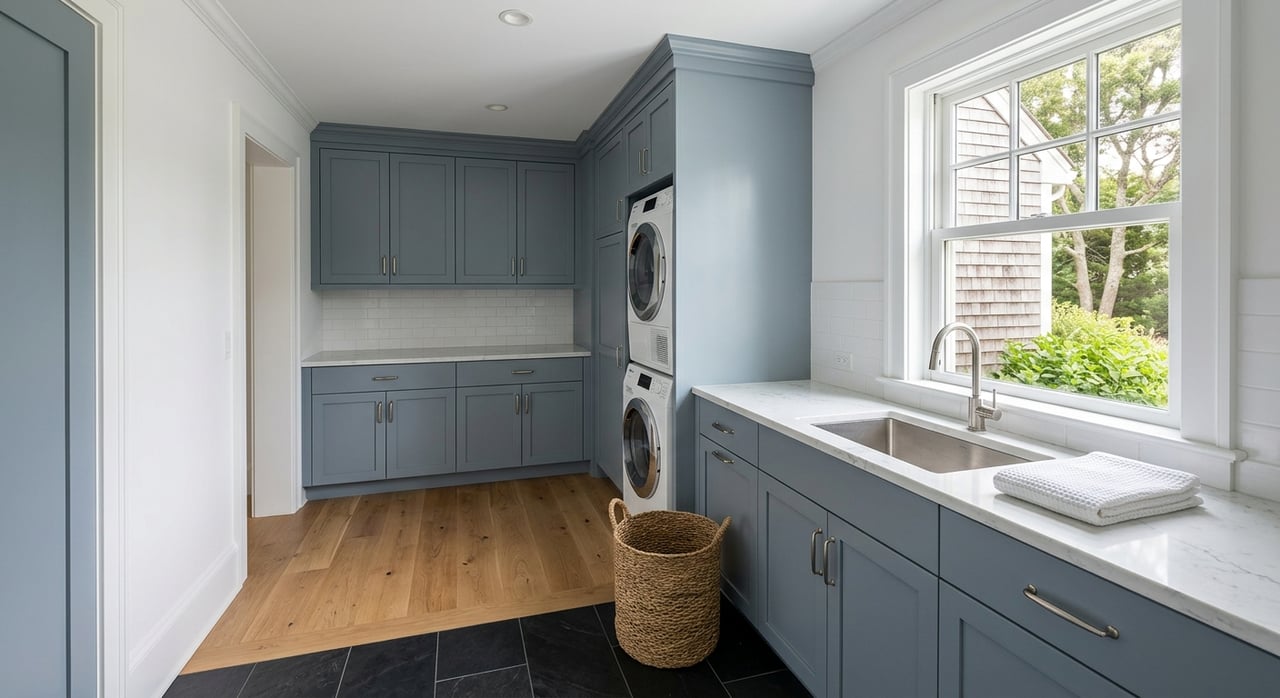
If you are thinking about buying a seasonal rental in South County, it is easy to get swept up in the beach-town appeal first. The real opportunity is there, but so are town-by-town rules, seasonal income swings, and operating costs that can change the math fast. If you want a property that works for your lifestyle and holds up as an income-producing asset, the details matter. Let’s dive in.
Why South County attracts seasonal renters
South County is a beach-driven market, and that seasonality shapes how a rental property performs. Rhode Island DEM says more than 1 million patrons visit state beaches between Memorial Day and Labor Day each year, and South County includes several of the shoreline’s best-known state beaches, including Scarborough, Roger Wheeler, East Matunuck, Misquamicut, and Charlestown Breachway.
That demand is especially clear in towns that swell dramatically in summer. Charlestown’s official community profile says the town’s population rises to nearly 30,000 in summer from 7,997 year-round residents. For you as a buyer, that is a practical reminder that rental demand, pricing, and turnover can be heavily concentrated in peak beach season.
In other words, a home that looks quiet in February may sit in the middle of a very busy rental pattern from late spring through early fall. That can be a benefit if you plan carefully. It can also create pressure around parking, cleaning schedules, and guest expectations during prime weeks.
Why town rules matter so much
One of the biggest mistakes buyers make is assuming short-term rental rules are basically the same across South County. They are not. In Rhode Island, state registration and local rules are separate, and the local rules can have a major impact on whether a property is truly usable as a seasonal rental.
At the state level, Rhode Island requires short-term rentals listed on third-party hosting platforms to be registered with the Department of Business Regulation. The state defines a short-term rental as lodging for no more than 30 nights at a time, charges a $25 registration fee, and says the registration is valid for one calendar year.
That is only the starting point. Municipal rules can add separate registration, permit, occupancy, parking, management, and response requirements. Before you underwrite any rental income, you need to verify the exact rules that apply to the specific parcel you want to buy.
South Kingstown requirements
South Kingstown says all rental dwellings and units must be registered annually. For rentals of 30 days or less, the town sets a $300 per-unit fee, and it states that registrations are not transferable.
That last point matters during a purchase. If the seller has been renting the property, you should not assume you can simply step into the same registration status after closing. The town also says enforcement staff will investigate properties that fail to register.
Westerly requirements
Westerly requires annual registration for short-term rentals in residential zones and sets a $500 annual fee. The town also requires management by an owner-occupant, a licensed Rhode Island brokerage, or a full-time town-resident owner.
Westerly goes a step further by requiring a local representative who is available 24 hours a day and can respond to complaints within one hour. If you are an out-of-state buyer or second-home owner, that can create a real operating expense and should be part of your budget from day one.
Narragansett requirements
Narragansett is the most restrictive example in the research provided. The town’s published ordinance includes a seven-night minimum, a two-persons-per-bedroom occupancy limit, parking requirements tied to bedroom count, a 24/7 local representative, and $1 million in liability insurance.
The town’s rental-registration page also says implementation of the short-term-rental ordinance has been delayed because of litigation. Because of that, buyers should confirm current enforceability directly with the town before relying on any rental projections. This is especially important in a market where permit rules can influence value.
Key costs to model before you buy
A seasonal rental budget should go far beyond the mortgage payment and property taxes. In South County, taxes, registration fees, cleaning, turnover, management, and compliance costs can all affect your actual return.
Rhode Island says that as of January 1, 2026, all short-term rentals are subject to a 2 percent local hotel tax. Whole residential dwellings rented short-term are also subject to a 5 percent whole-home short-term rental tax, and short-term rentals remain subject to sales tax.
The state also says cleaning fees and booking fees are part of the taxable consideration. Refundable deposits are not taxed unless they are retained. That means your taxable base may be larger than just the nightly rate, so your pricing model should reflect that.
Who handles tax collection
For entire-home rentals sold exclusively through a hosting platform or a realtor, Rhode Island says the platform or realtor handles applicable tax collection and remittance. You still report the income on your income-tax return.
If the rental is not exclusive to a platform or realtor, the owner has direct filing obligations. That distinction matters if you are planning a mixed marketing approach or want more control over bookings.
Why management costs can rise quickly
Management is often underestimated by buyers who are focused on summer rate potential. If you do not live nearby, local-response requirements in towns like Westerly and Narragansett may mean you need professional help to stay compliant.
That can include guest communication, emergency response, cleaning coordination, and local oversight. For many owners, the right management structure is what turns a seasonal property from stressful into sustainable.
Seasonal income is not year-round income
South County can produce strong summer demand, but seasonality cuts both ways. If you build your numbers around July and August alone, you may overstate how the property performs across a full year.
A smarter model tests at least three scenarios:
- Peak summer weeks
- Shoulder-season weekends
- Off-season vacancy
This gives you a more realistic view of cash flow and carrying costs. It also helps you decide whether the property still makes sense if bookings soften outside the core beach season.
Property features that matter most
In a seasonal beach market, convenience often drives guest satisfaction. Rhode Island DEM says beach parking passes do not guarantee entry, and state beach lots can reach capacity on holiday weekends.
That makes off-street parking a meaningful advantage. A property that is easy to access, easy to park at, and easy to understand tends to create a smoother guest experience, especially during busy summer weeks.
Other practical features can also support rental performance:
- Reliable internet
- In-unit laundry
- Durable finishes
- Easy-to-clean flooring
- A layout that works for small groups or families
- Clear check-in and house instructions
These are not formal legal requirements in most cases. They are practical features that can make a property easier to manage and more appealing in a high-turnover coastal market.
Parking and occupancy deserve extra attention
Parking is not just a guest convenience issue. In some towns, it is directly tied to occupancy and compliance.
Narragansett’s published ordinance text ties occupancy to parking supply and reduces permitted occupancy when on-site parking cannot meet the requirement. It also prohibits marketing or renting homes for weddings, banquets, bachelor or bachelorette parties, and corporate events.
That means you should look carefully at driveway layout, usable parking count, and how the home is realistically configured. A house that seems large enough for strong rental income may be more limited if parking or occupancy rules reduce how it can be used.
Due diligence steps before making an offer
Before you buy, verify more than the home’s condition and projected rent. A seasonal rental purchase in South County should include a property-specific review of local regulations and site constraints.
Here is a smart due diligence checklist to work through:
- Confirm the parcel’s zoning district
- Verify whether short-term rental use is allowed there
- Check for HOA rules or deed restrictions that limit rentals
- Confirm parking count on site
- Review septic or on-site wastewater capacity for intended occupancy
- Check flood-zone status
- Identify who will serve as the local contact or property manager if required
- Verify current town enforcement and permit status for the property
South Kingstown’s building and zoning FAQ points owners to FEMA flood maps and the Rhode Island DEM septic permit search. Narragansett’s ordinance also says a permit does not override private covenants and restrictions, so private rules matter too.
Do not assume permits transfer
This point deserves its own section because it can directly affect your purchase decision. If a seller currently rents the property, that does not mean the existing registration or permit will carry over to you.
South Kingstown says registrations are not transferable. Narragansett says permits expire on sale or transfer of the dwelling unit. Rhode Island DBR also says short-term-rental registrations are tied to the registrant and property location.
If rental income is part of your plan, confirm what you will need to obtain after closing and whether the property still works under current rules. That verification should happen before you finalize your numbers.
Why local guidance matters
In South County, the best seasonal-rental purchases are usually the ones that balance personal enjoyment with realistic operations. The challenge is that even a beautiful home near the beach may not pencil out if parking is tight, rules are restrictive, or management costs are higher than expected.
Local guidance can help you sort through those moving parts before you commit. A property that works well on paper should also work in practice, from town compliance to guest logistics to off-season carrying costs.
If you are considering a seasonal rental on the Rhode Island coast, working with someone who understands coastal market dynamics, buyer strategy, and hands-on property support can make the process much clearer. To talk through your goals, connect with Hillary Olinger.
FAQs
What is considered a short-term rental in Rhode Island?
- Rhode Island defines a short-term rental as lodging that does not exceed 30 nights at a time.
Do South County town short-term rental rules differ by location?
- Yes. South Kingstown, Westerly, and Narragansett each have different registration, fee, management, parking, and occupancy rules, so you need to verify the exact requirements for the property you want to buy.
Do short-term rental permits transfer to a new owner in South County?
- Not necessarily. South Kingstown says registrations are not transferable, and Narragansett says permits expire on sale or transfer of the dwelling unit.
What taxes apply to a South County seasonal rental?
- Rhode Island says short-term rentals are subject to sales tax, and as of January 1, 2026, they are also subject to a 2 percent local hotel tax. Whole residential dwellings rented short-term are also subject to a 5 percent whole-home short-term rental tax.
What property features matter most for a South County beach rental?
- Off-street parking, reliable internet, laundry, durable finishes, easy-to-clean flooring, and a guest-friendly layout can all make a seasonal rental easier to manage and more appealing during peak beach season.
What should you verify before buying a seasonal rental in South County?
- You should confirm zoning, rental eligibility, HOA or deed restrictions, parking, septic capacity, flood-zone status, local contact requirements, and whether the town is currently enforcing the short-term rental rules you are relying on.