If you are drawn to Rhode Island’s coastline, Bristol County’s East Bay towns can look similar at first glance. But once you spend time in them, you start to notice that Bristol, Warren, and Barrington each shape daily life in very different ways. Whether you are thinking about a move, a second home, or simply narrowing down where you want to spend more time, this guide will help you compare the feel, rhythm, and practical side of each town. Let’s dive in.
Bristol County’s Coastal Towns at a Glance
Bristol, Warren, and Barrington all sit along the same coastal corridor in Bristol County, and all three are connected by Route 114. They also share some common threads, including waterfront access, older housing patterns, and community programming that becomes especially visible in the warmer months.
Still, the day-to-day experience is not the same from town to town. According to the U.S. Census Bureau quick facts for Bristol, Bristol had 22,493 residents in the 2020 Census, while Barrington had 17,153 and Warren had 11,147. That difference in scale shows up in everything from street activity to housing patterns to how each town feels during the week.
What Ties the East Bay Together
The East Bay coastal corridor is shaped by water, older town centers, and a strong seasonal rhythm. Summer tends to bring more visible activity, but these are not places that shut down outside peak season. Each town maintains year-round amenities, local events, and everyday routines that support full-time residents as well as seasonal visitors.
Transportation also connects these communities in a practical way. Route 114 is the shared north-south link for Barrington, Warren, and Bristol, although Barrington’s resilience planning notes that some segments already experience periodic coastal flooding. If you are comparing towns, that matters because commute patterns and access routes are part of daily life, not just a map detail.
Bristol: Historic Harbor-Town Living
Bristol stands out as the strongest harbor-town example of the three. The town describes itself as a picturesque seaside community with a vibrant downtown, historic sites, and access to both Providence and Boston through its regional connections. You can feel that blend of history and waterfront life in the way the downtown and harbor remain at the center of town activity.
Bristol’s Everyday Atmosphere
Bristol’s harbor is not just scenic. It is woven into everyday life through managed docks, boat ramps, moorings, waterfront rights-of-way, and parking along Thames Street, as explained on the town’s About Bristol page. The town notes that its docks are a short walk from historic shops and restaurants, which gives the area a connected, lived-in feel instead of a purely tourist setting.
If you enjoy a traditional New England streetscape, Bristol offers a strong sense of place. The downtown core and waterfront create a setting where errands, dining, and waterfront access sit close together.
Bristol Recreation and Waterfront Access
Waterfront access is one of Bristol’s most defining lifestyle features. Bristol Town Beach sits next to Colt State Park and includes Narragansett Bay views, shade trees, walking and bike trails, a playground, and a sandy beach.
That variety matters in daily life. It means waterfront time can look like a beach outing, a walk, a bike ride, or simply spending time outdoors near the bay.
Bristol Homes and Streetscape
For buyers, Bristol often appeals because of its older-home character. Rhode Island preservation officials identify Bristol as one of the state’s local historic district communities, and the town’s historic district materials reference captain’s houses, Federal and Greek Revival mansions, and Victorian cottages through the preservation framework outlined by Rhode Island preservation officials.
That does not mean every property is historic, but it does mean parts of town are defined by architecture and preservation oversight. If you are drawn to character, detail, and a classic harbor-town setting, Bristol offers a strong version of that experience.
Bristol’s Community Rhythm
Bristol is also known for a very visible civic calendar. The town’s 4th of July Celebration began in 1785 and still includes concerts, fireworks, patriotic exercises, a parade, and related summer programming.
The town also hosts the Black Ships Festival, adding another harbor-centered tradition to the annual schedule. If you like a place where community events are part of the town’s identity, Bristol tends to feel especially active and established.
Warren: Walkable, Compact, and Creative
Warren offers a different kind of coastal lifestyle. Where Bristol feels more like a historic harbor town, Warren reads as a compact waterfront village with a strong main-street and maker-driven feel.
Warren’s Daily Pace
According to Discover Warren, the town is known for its walkable downtown historic district, colonial architecture, boutique shops, cafés, and local makers. That walkable core shapes the town’s identity in a big way.
In practical terms, Warren often feels intimate and easy to navigate. Daily life is more concentrated around downtown, which makes the activity feel visible and connected.
Warren Waterfront and Outdoor Life
Warren’s lifestyle map includes the East Bay Bike Path, Burr’s Hill Park, Town Wharf, and Warren Town Beach, all highlighted through the town’s things to do guide. The same materials also note that people can arrive by bus, boat, or bike.
That mix supports a small-scale waterfront routine. You are not just near the water in Warren. In many parts of town, the water, downtown, and recreation spaces feel part of the same compact daily loop.
Warren Housing Character
Warren’s housing stock tends to reflect its age and historic core. The town’s historic materials describe colonial architecture and 18th-century homes, while Rhode Island preservation officials note that Warren has a voluntary historic district zone.
For a buyer, that often translates into an older housing pattern and a preservation-minded downtown area. If you prefer a town where architecture, small businesses, and waterfront access all feel close together, Warren offers a distinctive option.
Warren’s Community Feel
Warren’s marquee event is the Warren Walkabout, which brings together open studios, historic tours, live music, sidewalk sales, and downtown programming each October. Beyond that, Discover Warren emphasizes the town’s ongoing art, food, and small-business energy.
That gives Warren a steady creative pulse. It feels less formal than Bristol’s celebration calendar and less suburban than Barrington’s, which is part of its appeal.
Barrington: Coastal Suburb with Commuter Access
Barrington presents yet another version of East Bay life. It is best understood as a suburban coastal residential town with beach access, commuter infrastructure, and housing patterns that lean more suburban than harbor-centered.
Barrington’s Everyday Setting
The town’s resilience page describes Barrington as a coastal community with almost 20 miles of coastline. At the same time, its historic resource materials point to twentieth-century suburban housing types and postwar homes spread through town.
That combination shapes the day-to-day feel. Barrington is coastal, but it often reads more like classic East Coast suburbia with water nearby than like a dense waterfront village.
Barrington Recreation and Beach Access
One of Barrington’s key amenities is Barrington Beach. The town notes that access is managed, with limited parking, resident and non-resident passes, and free access for bicyclists and walkers.
Barrington’s resilience materials also make clear that the town is actively dealing with flooding and erosion. That is an important part of the waterfront picture because it shows how coastal living and coastal management go hand in hand.
Barrington Housing Patterns
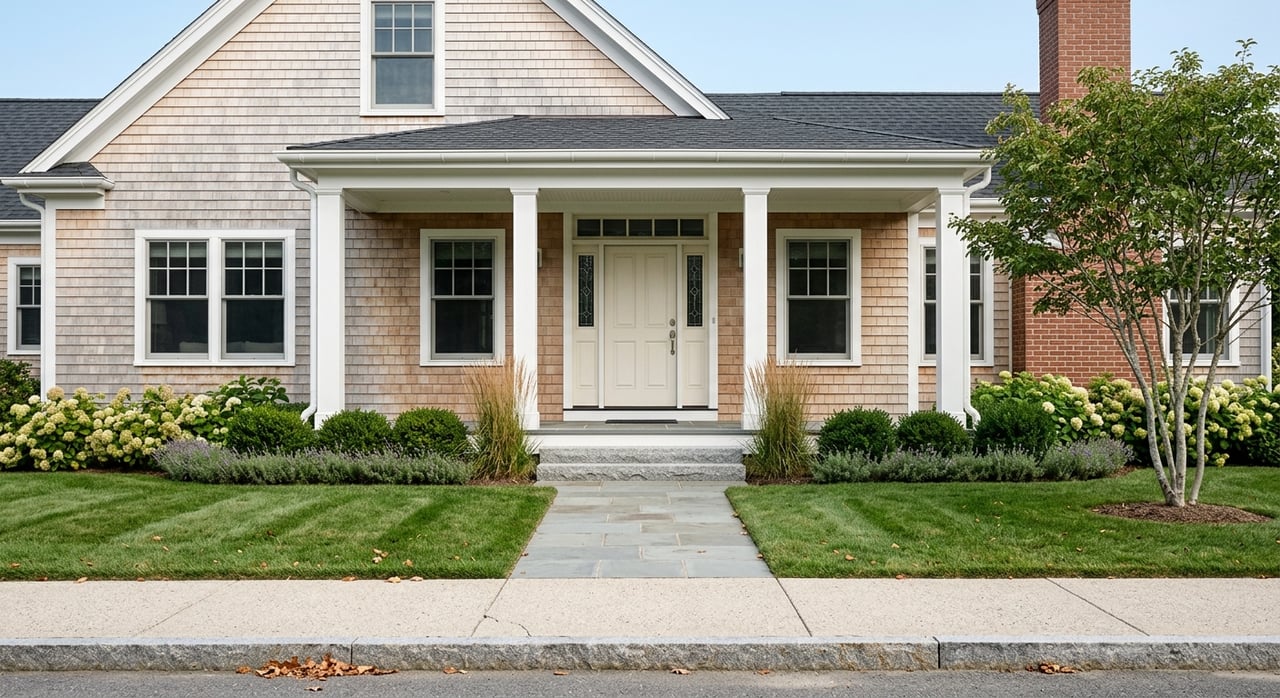
Barrington’s historic resource book identifies Neo-Colonial, Cape Cod, and postwar suburban house types, including examples in areas such as Hampden Meadows. Compared with Bristol or Warren, the overall pattern is less about a dense historic center and more about residential neighborhoods spread across town.
If you are looking for a more suburban layout with coastal access, Barrington may feel like the most familiar fit. It offers a different balance of space, commuting convenience, and shoreline lifestyle.
Barrington Commute and Mobility
Barrington is also the strongest commuter-oriented example of the three towns. Route 114 is the main corridor, and the town’s planning documents note that RIPTA Route 60 serves Route 114, Route 61X adds daily bus trips, and two park-and-ride lots support commuters, according to the Resilient Route 114 Plan.
Commute data reinforces that picture. The Census reports mean travel times to work of 24.9 minutes in Bristol, 25.1 minutes in Warren, and 29.7 minutes in Barrington, suggesting Barrington depends more heavily on road travel than the other two towns.
Comparing Daily Life in Bristol, Warren, and Barrington
If you are trying to picture where you would feel most at home, it helps to focus on the rhythm of a normal week rather than just weekend appeal.
- Choose Bristol if you want a historic harbor-town setting with a strong downtown presence, visible waterfront infrastructure, and a robust civic event calendar.
- Choose Warren if you are drawn to a compact, walkable environment with local makers, downtown energy, and easy connections between shops, parks, and the waterfront.
- Choose Barrington if you prefer a suburban coastal setting with beach access, commuter support, and housing patterns that feel more residential and spread out.
All three towns offer access to the East Bay’s coastal character. The difference is how that character shows up in your everyday routine.
Why Lifestyle Details Matter in a Move
When you are choosing a town, the right fit often comes down to practical lifestyle details. You may care about whether daily errands happen near a walkable downtown, whether beach access is part of your weekly routine, or whether commuting infrastructure matters more than being near a harbor district.
That is why broad labels like “coastal” only tell part of the story. In Bristol County, Bristol, Warren, and Barrington all offer coastal living, but they deliver it through very different patterns of housing, transportation, recreation, and community life.
If you are exploring the Rhode Island coast and want help comparing communities, housing styles, and lifestyle fit, Hillary Olinger brings a thoughtful, hands-on approach to coastal real estate across the region.
FAQs
What is the difference between Bristol, Warren, and Barrington in Bristol County?
- Bristol feels most like a historic harbor town, Warren feels most like a compact walkable waterfront village, and Barrington feels most like a suburban coastal residential town.
What is daily life like in Bristol, Rhode Island?
- Bristol centers around its harbor, historic downtown, waterfront amenities, and major community traditions like the 4th of July Celebration.
What is daily life like in Warren, Rhode Island?
- Warren is known for a walkable downtown, local shops and cafés, waterfront access, bike path connections, and a strong arts-and-small-business feel.
What is daily life like in Barrington, Rhode Island?
- Barrington offers a coastal suburban setting with beach access, residential neighborhoods, commuter routes along Route 114, and organized local programming.
How long are commute times in Bristol, Warren, and Barrington?
- According to Census data cited in the research, mean travel time to work is 24.9 minutes in Bristol, 25.1 minutes in Warren, and 29.7 minutes in Barrington.
Which Bristol County town feels the most walkable?
- Warren is the strongest example of a compact, walkable downtown environment based on the town materials in the research report.