Is Newport only magical in summer, or does it work when the beach bags are packed away? If you’re considering making Newport your full-time home or keeping a second home open through winter, you’re smart to ask. Year-round life here blends coastal beauty with practical planning, from storm prep to booking dinner in January. In this guide, you’ll learn what daily life looks like beyond summer, how the housing market shifts with the seasons, and what to expect for maintenance, utilities, and local services. Let’s dive in.
Seasons at a glance
Summer: energetic and convenient
Summer brings warm, breezy days, packed event calendars, and longer business hours. You’ll find the most dining and retail options during June through August. Tourist areas like Thames Street, the Cliff Walk, and local beaches are lively. If you live downtown, plan for heavier foot traffic and limited parking.
Fall and spring: mild and local
Shoulder seasons feel relaxed and neighborly. Weather is often crisp and mild, perfect for walks, sailing when conditions allow, and smaller community events. Many businesses stay open but may shorten hours. It’s a great time to explore neighborhoods without summer crowds.
Winter: quiet with coastal weather
Winter is calmer, with cooler temperatures and occasional snow or slush. Nor’easters and high-tide events can impact roads, power, and coastal access. Core services continue, but some seasonal restaurants and shops close or scale back. Many residents plan ahead for groceries, indoor activities, and backup power options.
Coastal risks to factor in
Newport’s maritime setting is part of its charm, but it also means you should understand flood zones, storm surge, and erosion. Some areas sit within FEMA floodplains, which can affect insurance requirements and costs. Waterfront properties may need more frequent maintenance and stronger resiliency planning. For weather alerts, flood mapping, and sea-level guidance, check federal and state resources such as NOAA, FEMA, and Rhode Island coastal agencies.
Life off-season: essentials and lifestyle
Dining and retail rhythm
Off-season choices narrow, but local favorites keep the lights on. Expect reliable grocery stores, coffee shops, bakeries, and pubs. Hours may change in winter, so it helps to check schedules and keep a few go-to takeout options in rotation. Stocking the pantry before a storm is a common habit.
Culture and indoor attractions
Newport stays busy indoors. You can tour historic houses through local preservation groups, visit the Newport Art Museum, catch films and talks at a community theater, and explore exhibits at the International Tennis Hall of Fame. Fall and winter often bring concerts, lectures, and holiday programming that anchor the social calendar for year-round residents.
Healthcare, schools, and city services
You’ll find local hospitals and clinics for routine care, with larger facilities reachable by road for specialist visits. Public and private schools follow standard Rhode Island calendars. Municipal services like police, fire, snow removal, trash pickup, and water and sewer operate year-round. Building and zoning departments remain active, though workloads can shift with the season.
Getting around and commuting
Bridges link Aquidneck Island to the mainland, and traffic improves once summer ends. Many residents drive as their primary commute. Public buses run through RIPTA, though winter schedules can be more limited. If your work or school is off-island, allow extra time during storms and plan alternate routes when necessary.
Housing choices and neighborhood tradeoffs
Downtown and Old Port
Condos and rowhouses near Thames Street and the waterfront offer walkability and a lively vibe. You’ll be close to restaurants, shops, and events. Summer crowds and limited parking are the tradeoffs. Some buildings also see higher short-term rental activity, which affects privacy and noise.
Historic district living
Grand homes and in-town cottages deliver character and curb appeal. Expect preservation guidelines and approval processes if you plan alterations. Older systems may need upgrades, and routine maintenance can be more involved. Many buyers love the history and street presence and plan for improvements over time.
Waterfront lifestyle
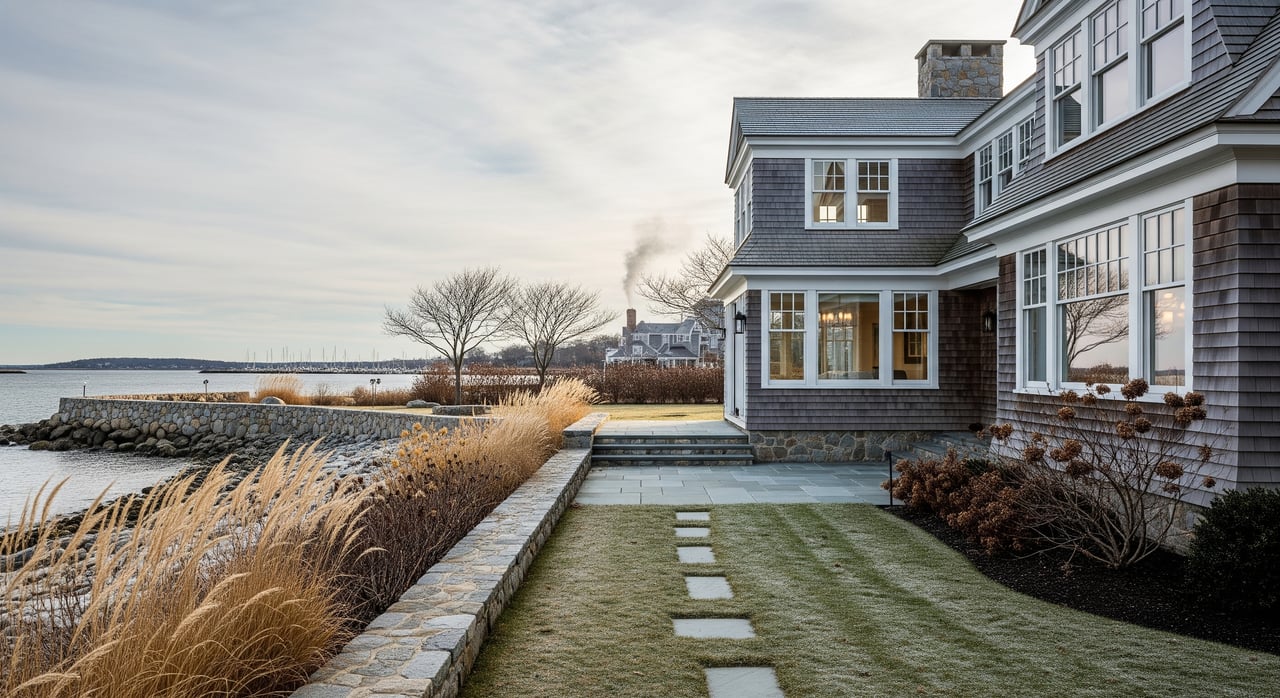
Ocean Drive and cliffside areas are stunning. Living near the water means factoring in flood zones, wind exposure, and higher insurance and maintenance costs. Routine checks on roofs, drainage, and any shoreline infrastructure help protect your home and value.
Nearby towns for space
Consider Middletown or Portsmouth for more suburban options within a short drive of downtown. You may find newer construction, larger yards, and easier parking. These areas are popular with year-round residents seeking a little more breathing room while staying close to Newport’s culture and dining.
Multi-family and investment options
Two- to four-unit properties are common and can support a blend of year-round and seasonal rentals. Regulations around short-term rentals vary and may evolve. If you’re considering rental income, confirm zoning, licensing, and tax rules before you buy.
Costs, utilities, and seasonal care
Energy and heating planning
Heating sources vary by street and building. You’ll see natural gas, oil, propane, and increasingly, electric heat pumps. Many homeowners budget for higher winter energy use. Efficiency upgrades like insulation, air sealing, and modern HVAC can improve comfort and reduce costs.
Insurance and property taxes
Coastal homes often need separate flood insurance in addition to a standard homeowners policy. Wind or hurricane endorsements may also apply. Premiums vary by location, elevation, and construction. Verify property taxes with the city’s assessor and note that mortgage terms can differ for primary homes, second homes, and investment properties.
Winterization and upkeep
Seasonal care protects your home and reduces surprise costs. Use this shortlist to stay ahead:
- Service heating systems and clean chimneys.
- Insulate pipes and seal drafts.
- Inspect roofs, gutters, and siding before winter storms.
- Arrange snow and ice removal.
- Check sump pumps and drainage; review flood readiness if in a mapped zone.
- Test generators or battery backups and store extra fuel safely.
Short-term rentals and local rules
Short-term rentals are part of Newport’s housing mix, especially around the summer season. Rules around permits, occupancy, and taxes can shift. If rental income is part of your plan, confirm current regulations with the City of Newport’s zoning and licensing offices, and review historic district requirements if your property is in a regulated area. Clear compliance helps avoid fines and protects long-term value.
What to look for during a viewing
A coastal home benefits from a careful eye. Add these items to your showing checklist:
- Foundation and drainage, plus any signs of prior flooding or salt intrusion.
- Roof age, gutter condition, chimney integrity, and, if applicable, seawalls.
- Heating type, age, and service records; confirm fuel source and delivery.
- Electrical capacity and panel condition, especially in older homes.
- Insulation levels and window condition for winter comfort.
- Any preservation easements or historic approvals needed for future changes.
A smart plan for your first year
Before you close
- Price insurance for homeowners, flood, and wind coverage if applicable.
- Get quotes for energy, fuel delivery, and winterization work.
- Confirm local permits for any immediate renovations.
Move-in month
- Set up utility accounts and schedule a heating system service.
- Line up snow removal and arrange a storm checklist for your household.
- Map your nearest grocery, pharmacy, and healthcare providers.
First winter
- Test backup power and stock essential supplies.
- Join local community groups or clubs for events and updates.
- Monitor drainage and weather advisories during nor’easters and high tides.
Spring refresh
- Inspect exterior paint, siding, decks, and masonry after winter.
- Service AC or heat pumps and clean gutters.
- Review insurance renewals and adjust coverage if needed.
How Hillary Olinger can help
Living in Newport year-round is about balance. You want coastal lifestyle and smart planning for weather, maintenance, and evolving rental rules. With deep local roots, design-forward staging, and full-service support, Hillary helps you buy or sell with clarity. She advises on neighborhood tradeoffs, historic-home considerations, and seasonal property management so your home is comfortable in February and fantastic in July. Whether you’re choosing a downtown condo, a historic cottage, or a waterfront estate, you get hands-on guidance, strong negotiation, and elevated presentation backed by national marketing reach.
Ready to explore homes or prep your property for the off-season? Connect with Hillary Olinger for local, design-savvy advice and a plan tailored to your goals.
FAQs
What is winter like in Newport for daily life?
- Winters are quieter with occasional snow and coastal storms. Core services run year-round, but some restaurants and shops reduce hours, so planning ahead helps.
How does flood insurance work for coastal Newport homes?
- Many coastal properties need separate flood coverage in addition to homeowners insurance. Requirements and premiums depend on FEMA flood maps, elevation, and construction.
Are restaurants and shops open year-round in Newport?
- A core group stays open through winter, though hours may shorten. Seasonal spots often close until spring. Checking schedules in colder months is useful.
Which neighborhoods suit year-round living versus summer stays?
- Downtown offers walkability and culture but busy summers. Waterfront brings views and exposure to weather. Nearby towns like Middletown and Portsmouth offer more space and easier parking.
How is commuting off-season from Newport?
- Traffic improves after summer. Most residents rely on cars, with public buses available on limited winter schedules. Allow extra time during storms.
Do I need a generator for a Newport home?
- Not every home needs one, but many residents consider backup power for winter nor’easters and tropical systems that can cause outages.