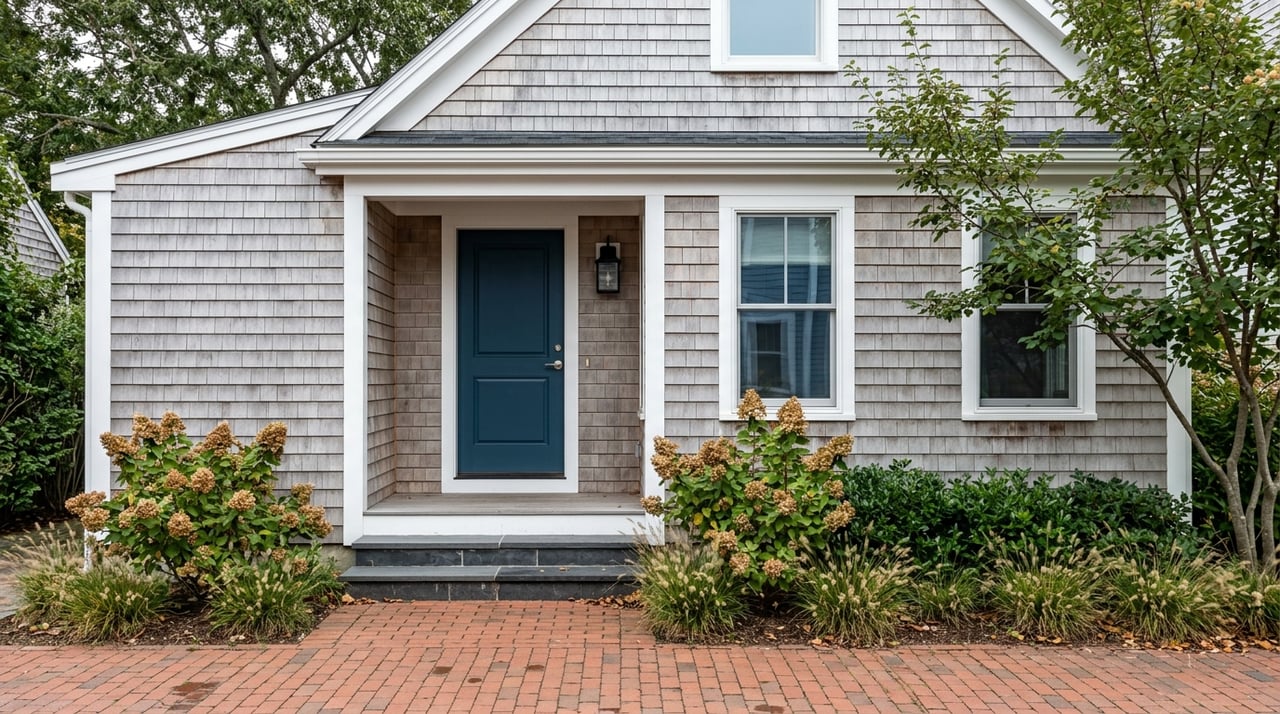
Trying to choose between a waterfront home and an in-town home in Newport? It is a classic local decision, but it is not just about views versus walkability. Newport has several distinct submarkets, and your best fit depends on how you want to live, what level of upkeep you want to take on, and where you want your budget to land. If you are weighing lifestyle, value, and long-term practicality, this guide will help you sort through the tradeoffs. Let’s dive in.
Newport Is Not One Market
If you are shopping in Newport, it helps to think of the city as a collection of smaller housing markets. As of March 31, 2026, Zillow reported Newport’s average home value at $938,854, with 53 homes for sale, 16 new listings, and a median list price of $1,189,167.
Within that broader number, values vary sharply by area. Zillow’s neighborhood estimates placed Downtown around $734,286, Fifth Ward around $986,330, Harbor/Lower Thames around $1,138,944, Historic Hill around $1,366,408, Lily/Almy Pond around $1,860,131, and Ocean Drive around $2,541,389.
That spread matters because “waterfront versus in-town” is only part of the story. In practice, you are also choosing which part of Newport you want to buy into and what kind of daily experience comes with it.
In-Town Living in Newport
In-town Newport tends to appeal to buyers who want a more connected, everyday rhythm. City planning documents describe Historic Hill as central and adjacent to downtown, the Point as a planned grid neighborhood with relatively modest houses, and Harbor/Lower Thames as a mixed commercial-residential waterfront corridor with multifamily housing on small lots.
For many buyers, that means easier access to downtown services, shorter trips, and a more walkable setting. If you want to be closer to shops, restaurants, the harbor area, and the energy of the city, in-town neighborhoods often line up well with that goal.
In-town homes also come in a wide range of sizes, styles, and price points. Compared with Newport’s highest-end waterfront areas, they may offer a broader entry point into the market.
What In-Town Homes Often Offer
- More walkable day-to-day living
- Closer access to downtown amenities and services
- A wider mix of home sizes and housing types
- More price variety across neighborhoods
- A more urban, neighborhood-oriented feel
Waterfront Living in Newport
Waterfront and near-water homes offer a different kind of appeal. In Newport, these properties often attract buyers who prioritize views, privacy, larger lots, and a stronger coastal estate atmosphere.
The City of Newport describes Bellevue Avenue and Estates as mostly low-density residential and institutional land uses with large estate lots, extensive landscaping, and some of the highest housing values in the city. Historic materials also point to the landmark character of Bellevue and Ocean Drive, with Gothic Revival villas, stick-style and shingle-style buildings, and grand summer-cottage-era homes.
If you picture Newport as a place of open water views, formal grounds, and a more resort-like setting, waterfront or near-water properties may be the closer match. They usually sit at the higher end of the market and can feel more private and visually dramatic than in-town options.
What Waterfront Homes Often Offer
- Water views or a stronger water-oriented setting
- Greater privacy in many cases
- Larger lots in certain neighborhoods
- Estate-style architecture and landscaping in some areas
- A high-end lifestyle feel tied to Newport’s coastal identity
Lifestyle Questions to Ask Yourself
The best choice usually starts with how you want your day to feel. If you want to step into a more active, connected setting with easier access to downtown, in-town may fit better.
If you want your home to feel like a retreat, with more emphasis on scenery and privacy, waterfront may be worth the extra cost and complexity. Neither option is universally better. The right choice depends on your priorities.
Ask Yourself These Questions
- Do you want a walkable location or a more private setting?
- Is being near downtown part of your everyday routine?
- Are views and a water-oriented lifestyle a top priority?
- How much maintenance are you comfortable managing?
- Are you open to added due diligence tied to coastal property?
- Do you want a broader range of price points or are you targeting a premium segment?
Historic Rules Can Affect Both Choices
One common mistake is assuming that only Newport’s grand waterfront homes come with historic review concerns. In reality, many central neighborhoods do too.
City design guidelines note that about 55% of Newport’s physical area falls under Historic District Commission jurisdiction. That means a large share of both in-town and waterfront homes may come with rules that affect exterior changes.
The city also makes an important distinction between ordinary maintenance and remodeling. Painting and ordinary maintenance that do not change design, materials, or appearance are exempt from review, but major alterations may require formal application materials.
For example, the city says new decks on contributing historic structures are generally not considered appropriate. That matters if you are buying with plans to expand outdoor living space or make visible exterior changes.
Why This Matters for Buyers
- Renovation plans may take more review than expected
- Exterior updates can be limited by historic context
- Outdoor additions are not always straightforward
- Design choices may need to align with city guidelines
Maintenance and Coastal Exposure
Waterfront ownership often brings a second layer of upkeep. Salt exposure near the coast is not just a minor nuisance. FEMA’s coastal corrosion guidance says salt spray from breaking waves and onshore winds significantly accelerates corrosion of metal connectors, especially closer to breaking waves.
In practical terms, that can mean more attention to railings, fasteners, exterior metalwork, windows, HVAC components, and moisture management. A waterfront home may deliver a remarkable setting, but it usually asks more from you in return.
In-town homes can still be older and maintenance-heavy, especially in historic areas. Still, properties farther from direct coastal exposure may face fewer salt-related wear issues than similarly sized homes right by the water.
Flood Risk and Coastal Due Diligence
If you are considering waterfront or near-water property, flood and shoreline review should be part of your process early. Rhode Island CRMC says a permit is required for many construction or alteration activities on a shoreline feature or within 200 feet of one, and shore setbacks apply for new structures.
FEMA’s flood map system is the official source for flood maps, and NFIP requirements apply in Special Flood Hazard Areas shown on those maps. Newport’s own planning documents also identify flooding as a local issue. In the city’s updated housing element, the northern portion of Fifth Ward is described as low-lying waterfront land at risk for flooding due to sea-level rise.
That does not mean every waterfront parcel carries the same risk. It does mean that coastal due diligence in Newport should be specific to the property, not based on assumptions.
Key Waterfront Due Diligence Items
- Flood zone status
- Property-specific flood exposure
- Shoreline permitting requirements
- Setback considerations for future work
- Insurance implications
- Ongoing maintenance expectations
Budget and Resale Considerations
Price positioning can shape this decision as much as lifestyle. Based on Zillow’s neighborhood estimates, Newport’s values range widely, from Downtown in the mid-$700,000s to Ocean Drive above $2.5 million.
That suggests waterfront homes often serve a narrower, higher-budget buyer pool. In-town homes may appeal to a broader range of buyers because they span more price points and support more varied lifestyles.
In a market with limited supply, that difference can matter for both your purchase strategy and your future resale. Rhode Island Realtors reported just 1.7 months of statewide housing supply in January 2026, which supports the broader backdrop of a competitive market environment.
Which Newport Home Type Fits You Best?
If your top priorities are views, privacy, and a stronger water-oriented lifestyle, waterfront is often the better fit. It can also make sense if you are comfortable with added due diligence tied to flood exposure, shoreline regulation, and maintenance.
If your top priorities are walkability, convenience, and access to downtown services, in-town is often the better fit. It may also give you more flexibility on budget and a broader set of neighborhood options.
The smartest move is to compare specific submarkets, not just broad labels. In Newport, the experience of Downtown, Historic Hill, Fifth Ward, Harbor/Lower Thames, Bellevue, and Ocean Drive can be very different from one another.
Whether you are drawn to a historic in-town house or a waterfront estate, local context matters. If you want help comparing neighborhoods, property styles, and the real tradeoffs behind each option, Hillary Olinger offers hands-on guidance rooted in Newport market knowledge and a thoughtful, full-service approach.
FAQs
What is the main difference between waterfront and in-town homes in Newport?
- Waterfront homes usually offer more views, privacy, and a coastal estate feel, while in-town homes often offer better walkability, easier downtown access, and a more everyday neighborhood rhythm.
Are Newport waterfront homes always more expensive than in-town homes?
- Newport pricing varies by submarket, but neighborhood estimates show that many waterfront and near-water areas sit at the higher end of the city’s price range.
Do in-town Newport homes also face historic district rules?
- Yes. City guidelines say about 55% of Newport’s physical area is under Historic District Commission jurisdiction, so many in-town homes come with exterior review considerations.
What maintenance issues matter most for Newport waterfront homes?
- Salt exposure is a major factor near the water because it can speed up corrosion and increase upkeep needs for metal components, windows, HVAC equipment, and exterior materials.
What flood issues should buyers check for Newport waterfront property?
- Buyers should review flood zone status, property-specific exposure, shoreline permitting requirements, setback rules, and any insurance implications tied to the location.
Is an in-town home in Newport a better fit for walkability?
- Often, yes. Areas such as Historic Hill, the Point, and Harbor/Lower Thames are described by the city as more central, walkable, and connected to downtown activity.