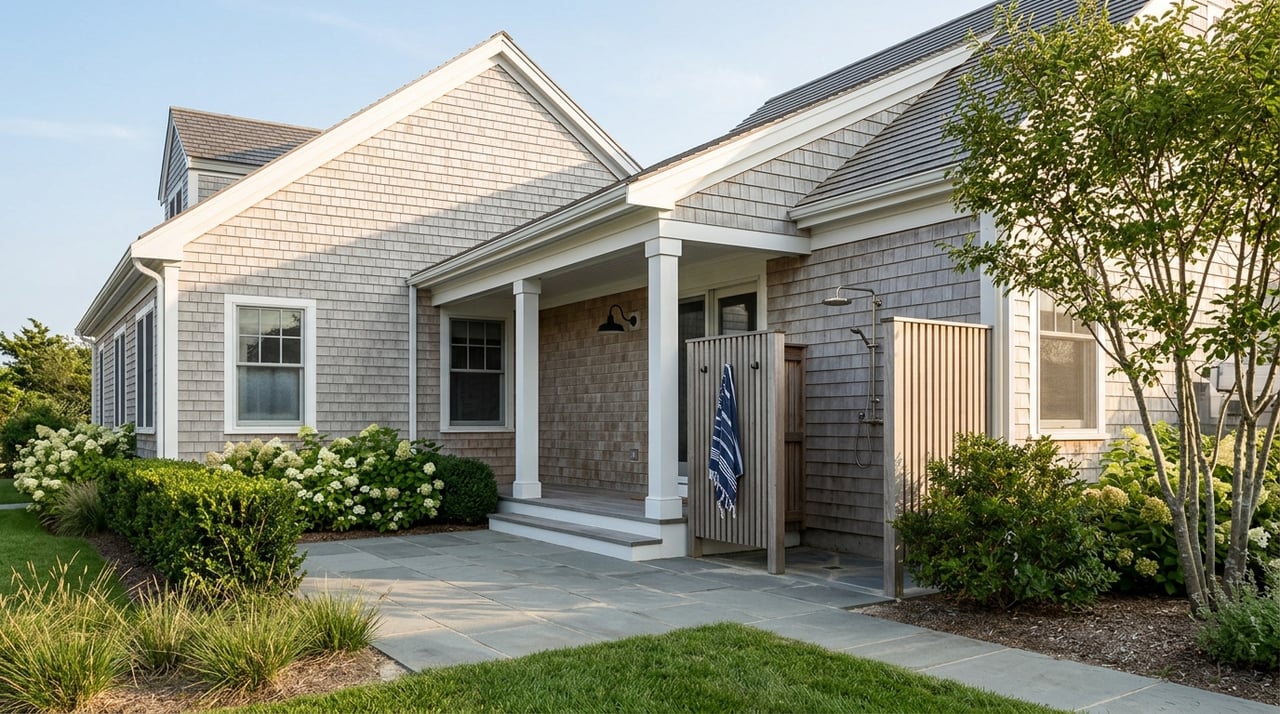
Dreaming about a South County beach house usually starts with the postcard version: sand, salt air, and easy summer mornings. But day-to-day ownership in Washington County, Rhode Island, is really about rhythm. You are not just buying near the water. You are stepping into a seasonal pattern shaped by beach access, bike rides, seafood dinners, ferry outings, and a quieter shoulder season that many owners come to love. Let’s dive in.
South County lifestyle at a glance
South County is the local shorthand for Washington County, Rhode Island’s southern coastal region. State and tourism sources describe it as a place where Atlantic beaches sit alongside pines, farms, campsites, and a strong seafood culture. That mix gives the area a broader feel than a simple beach destination.
For many buyers, that variety is part of the appeal. You can picture a summer day on the sand, then a completely different kind of afternoon built around a bike ride, a ferry trip, or a casual seafood dinner. The lifestyle feels coastal, but not one-note.
The shoreline identity is especially tied to Narragansett, South Kingstown, Charlestown, and Westerly. These communities include many of the best-known state beaches and town beach access points. If you are considering a beach house here, those names often shape how you will spend your weekends and host family or guests.
Beach season has a real calendar
One of the clearest parts of South County ownership is that beach season runs on a schedule. Rhode Island state beach parking passes are required during operational hours from the opening day in May through Labor Day. Some beaches stay open daily through Labor Day, while others shift to weekends only later in August.
That might sound like a small detail, but it affects how you plan your summer. Owners quickly learn when to leave early, where to park, and which beaches fit a full beach day versus a shorter outing. In a beach market, practical routines matter almost as much as the views.
Narragansett Town Beach as a benchmark
Narragansett Town Beach gives you a useful snapshot of what peak-season coastal life can look like. The beach opens Memorial Day weekend, runs full-time starting the following weekend through Labor Day, and becomes free to the public after Labor Day, when lifeguards are no longer on duty.
The town reports that the beach can host up to 5,000 patrons per day. It also offers food, restrooms, a first-aid office, a surfing area, and multiple parking areas. If you are imagining a classic Rhode Island beach day, this is one of the region’s clearest reference points.
Summer crowds are part of the story
Peak summer in South County can be busy. The Rhode Island Department of Health notes that some beaches may see 10,000 visitors in a single day during the season. It also runs beach water-quality monitoring in summer, which is part of the practical side of coastal living.
For some owners, that energy is the fun of it. For others, it reinforces the value of knowing the local rhythm and using your home beyond just peak July and August weekends. A beach house here often works best when you enjoy both the lively season and the slower stretches around it.
The off-season is quieter, not closed
One of the most appealing parts of owning in South County is that the coastal lifestyle does not disappear after Labor Day. Beach access continues even as lifeguards and many seasonal services wind down. That usually means a calmer atmosphere and a more relaxed pace along the shore.
This is where many second-home buyers find extra value. You may trade packed sand and full parking lots for longer walks, easier access, and a more peaceful version of the same coastline. In New England, that shoulder-season usability can make a beach property feel more flexible and more personal.
Weather plays into that story too. The Rhode Island Department of Environmental Management says Washington County typically gets 20 to 40 inches of snowfall annually, and coastal areas generally receive less precipitation than inland parts of the state. That helps support a longer-feeling off-season than some inland New England locations.
Life beyond the beach matters
A South County beach house lifestyle is not only about swimming and sunbathing. The region’s recreation options help fill in the spaces between beach days, which is often what makes a second home or seasonal property feel truly livable.
Tourism resources point to fishing, diving, sightseeing, nature charters, cruises, surfing, and beach rentals as part of the local mix. Charlestown Breachway is also described by State Parks as one of the best saltwater-fishing areas in South County. If you like active weekends, there is plenty to build around besides the sand itself.
The South County Bike Path adds everyday ease
The South County Bike Path is one of the easiest amenities to picture as part of your routine. RIDOT describes it as the state’s fourth-longest bike path, stretching 7.8 miles from Kingston Station to Narragansett. It also passes through Wakefield, South Kingstown’s largest village and commercial hub.
That matters because it connects leisure with convenience. A beach house lifestyle often feels best when you can move easily between home, coffee, errands, and the shoreline. A bike path with real day-to-day usefulness adds to that sense of ease.
Ferry days can be part of the rhythm
Point Judith in Narragansett is also a ferry gateway. Visit Rhode Island notes that many visitors use the Block Island Ferry from Narragansett to reach island beaches. For owners, that means a ferry day trip can become part of the broader summer routine rather than a once-in-a-lifetime outing.
This is one of those details that helps explain why South County feels layered. Your beach house is not only about your immediate street or nearest beach. It can also serve as a base for exploring more of the Rhode Island coast.
Dining feels casual and coastal
South County dining tends to follow the same relaxed pattern as the rest of the lifestyle. Tourism materials describe waterfront restaurants, cafés, pubs, seafood spots, and picnic-style summer meals. Fresh seafood is part of the region’s identity, which shapes the feel of everyday outings and weekend gatherings.
If you are thinking about hosting, this matters more than you might expect. A beach house often becomes a place for easy dinners after the beach, takeout on the porch, or meeting friends in a casual waterfront setting. The area’s food culture supports that kind of low-pressure entertaining.
Housing has a mixed, lived-in character
South County does not read as one uniform housing type, and that is important to understand. South Kingstown’s comprehensive plan reports that seasonal units make up 17.5% of all housing units. It also notes that the median home year built is 1975, and more than 20% of the housing stock was built before 1940.
In simple terms, that suggests a mix of year-round homes, older coastal properties, and seasonal or second-home use. If you are shopping here, you may find homes with different levels of age, updates, layout efficiency, and design character. That variety can be part of the opportunity, especially if you appreciate homes with personality and coastal history.
For buyers who care about presentation and long-term enjoyment, this kind of market often rewards careful selection. A beach house is not just about location. It is also about how the home supports your version of coastal living, whether that means low-maintenance weekends, summer hosting, or a property that works across multiple seasons.
What ownership really feels like
At its core, owning a South County beach house is about settling into a pattern. You learn the beach-pass calendar. You figure out your favorite times for walks and bike rides. You build traditions around seafood dinners, ferry trips, and the shift from busy summer weekends to a calmer fall shoreline.
That is what makes the lifestyle compelling. It offers the classic beach-house moments people picture, but it also gives you a wider coastal routine that can feel useful, grounded, and enjoyable well past peak season.
If you are considering a Rhode Island coastal property and want help finding the right fit for your lifestyle, Hillary Olinger offers thoughtful, hands-on guidance for buyers, sellers, rental owners, and seasonal property clients.
FAQs
What is South County in Rhode Island?
- South County is the local name for Washington County, Rhode Island’s southern coastal region, known for Atlantic beaches, seafood culture, and a mix of shoreline towns including Narragansett, South Kingstown, Charlestown, and Westerly.
What is beach season like in Washington County, Rhode Island?
- Beach season typically follows a clear calendar, with state beach parking passes required during operational hours from the opening day in May through Labor Day, and some beaches reducing services or schedules later in August.
What happens at South County beaches after Labor Day?
- After Labor Day, beach access often continues, but lifeguards and many seasonal services wind down, creating a quieter coastal experience with a slower pace.
What activities are popular near a South County beach house?
- Beyond the beach, common activities include biking, fishing, diving, sightseeing, surfing, nature charters, cruises, and ferry trips from Point Judith to Block Island.
What is the South County Bike Path in Rhode Island?
- The South County Bike Path is a 7.8-mile route from Kingston Station to Narragansett that passes through Wakefield and connects everyday recreation with access toward the shoreline.
What is the housing mix like in South County, Rhode Island?
- Housing in South County includes a mix of year-round homes, older coastal properties, and seasonal units, with South Kingstown reporting that 17.5% of housing units are seasonal, the median home year built is 1975, and more than 20% were built before 1940.