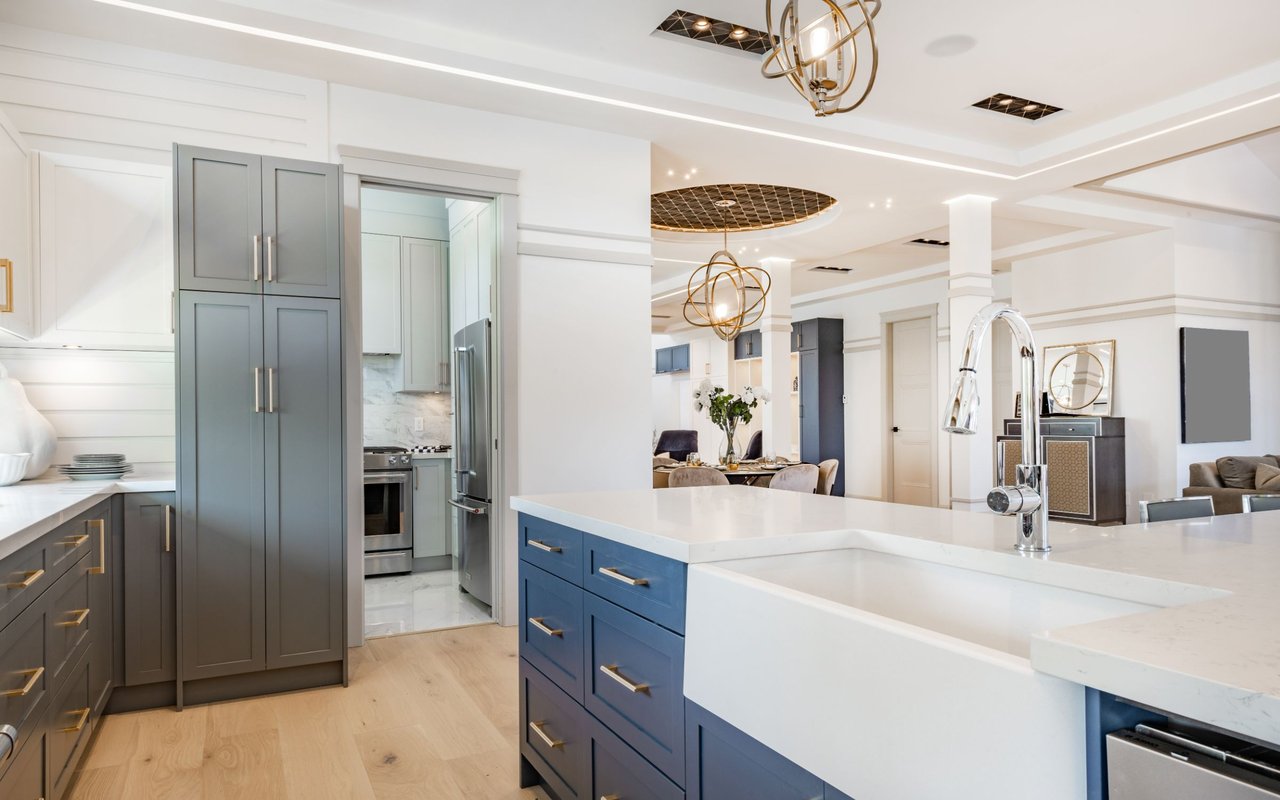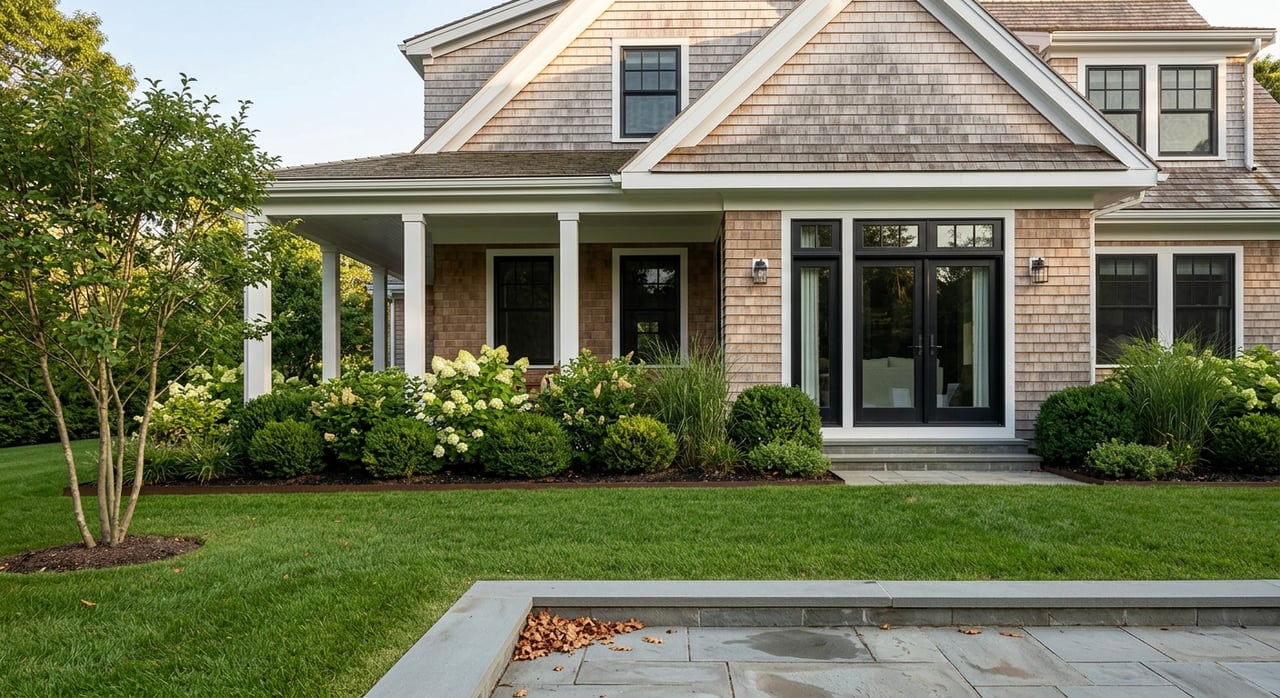
If you plan to sell your South County home this summer, one decision will shape everything else: price. In a market like Washington County, where buyers move quickly but still compare every listing carefully, the right price can create momentum while the wrong one can cost you time. The good news is that with local data, strong presentation, and a smart launch plan, you can price for peak summer demand without overshooting the market. Let’s dive in.
Why Summer Pricing Matters in South County
Washington County continues to command prices above the Rhode Island statewide median. In the second quarter of 2025, the county median for single-family sales reached $675,000, and by April 2026 it had risen to $720,000. At the same time, average days on market have remained relatively tight, ranging from about 30 to 43 days in recent reports.
That combination can tempt sellers to push pricing too far. But even in a low-inventory market, buyers notice when a home feels overpriced. A summer listing can attract strong attention, especially in a coastal market, but demand does not cancel out buyer selectivity.
Price for the Market You Have
A common mistake is assuming summer alone adds value. In reality, seasonality can help increase buyer traffic, but your price still needs support from recent comparable sales in your immediate area.
That matters in South County because pricing varies sharply by town and even by smaller pockets within each town. In June 2025, Washington County’s median was $697,500, yet Narragansett reached $1.1 million, Charlestown hit $906,000, South Kingstown was $760,000, Westerly was $675,000, and Block Island exceeded $2.18 million. Those differences show why broad county trends are helpful context, but not a substitute for micro-market pricing.
Focus on Micro-Market Comps
The strongest pricing strategy starts with the closest recent sales to your home. That means looking at properties with similar location, lot size, condition, style, and features, then adjusting from there.
In South County, details like beach access, a village setting, views, and scarcity can support a premium. So can updated condition and standout presentation. What should not support a premium on its own is simply the idea that summer buyers will pay anything to secure a home.
Why Overpricing Can Backfire
It is easy to think an extra 3% to 5% leaves room to negotiate. But market data suggests that strategy can work against you.
National guidance cited in the research warns that homes priced 3% to 5% above market often sit longer and may need larger reductions later. In Washington County, where average days on market have recently landed between 30 and 43 days, time matters. If your home misses the first wave of serious summer attention, you may lose the urgency that often drives the strongest offers.
The First Days Are Critical
When your home first hits the market, buyers compare it against everything else available. If it feels well priced and well presented, you are more likely to attract early interest and stronger competition.
If it appears overpriced, buyers may wait, skip it, or assume future price cuts are coming. That can weaken your position, even if you later adjust to a more realistic number.
List Before Peak Summer Demand
If your goal is to capture summer buyers, do not wait until the season is fully underway to start preparing. A better plan is to work backward from your desired launch date.
A reasonable planning window is four to eight weeks before you want to go live. That gives you time to handle repairs, refresh paint, declutter, clean, stage, photograph, and fine-tune pricing before the busiest part of the market arrives.
Why Timing and Pricing Work Together
A rushed listing often shows in the details. If photos are not strong, repairs are unfinished, or the home looks only partly ready, buyers may feel less willing to stretch on price.
By contrast, a market-ready home can justify its position more clearly. In a seasonal coastal market, where many buyers may be shopping online before they even arrive in person, polished presentation and accurate pricing need to work hand in hand.
South County Buyers Often Shop Differently
Washington County attracts a meaningful share of out-of-state buyers. RIAR reported that 32.4% of all county sales in 2023 involved out-of-state buyers, and luxury sales were even more influenced by that segment at 45.4%. A 2024 buyer mix infographic also showed Washington County at 35.7% out-of-state buyers, led by purchasers from Massachusetts, Connecticut, and New York.
That matters when pricing your home because these buyers often begin with online comparisons and lifestyle goals. They may move decisively when a property feels right, but they also tend to notice condition, presentation, and value quickly. In other words, summer demand may be broad, but it is not careless.
Condition Protects Your Price
If you want to support a strong asking price, preparation matters. Research cited in the report found that 83% of buyers’ agents said staging makes it easier for buyers to envision a property as their future home. The same report found that 29% said staging increased offer amounts by 1% to 10%, while 49% of sellers’ agents said staging reduced time on market.
That is especially relevant in South County, where second-home and lifestyle-driven buyers may have lower tolerance for projects. About half of buyers are less willing to compromise on condition, according to the research summary.
Prep Steps That Matter Most
Before pricing your home, make sure you evaluate the updates and touch-ups that can protect value:
- Decluttering
- Deep cleaning
- Fresh paint where needed
- Curb appeal improvements
- Roof-related repairs or replacement if necessary
- Strategic staging
- A pre-listing inspection, if appropriate, to surface issues early
These steps do not mean every seller needs a full renovation. They mean your asking price should reflect the home buyers will actually see, not the version you imagine they will overlook flaws to buy.
How to Think About Summer Premiums
Yes, summer can bring motivated buyers into the market. In a coastal area, that seasonal energy is real. But the strongest sellers do not tack on a generic seasonal premium and hope for the best.
Instead, they ask a better question: What will buyers compare my home to right now? That is the foundation of smart pricing. If your home outshines nearby options in condition, setting, or presentation, you may have support for a higher number. If not, pricing too aggressively can reduce your leverage.
A Smart Pricing Framework for Sellers
If you are preparing to list in South County, this simple framework can help:
- Start with recent nearby comps that closely match your home.
- Adjust for location details like proximity to the water, village access, views, or lot setting.
- Account for condition honestly, including deferred maintenance and updates.
- Consider presentation quality, especially staging and photography.
- Watch current competition, not just closed sales.
- Launch fully prepared, ideally four to eight weeks ahead of peak summer demand.
This approach helps you aim for a price that feels confident, not inflated.
Why Local Strategy Still Wins
South County is not one-size-fits-all. Narragansett is not Westerly. Charlestown is not South Kingstown. Block Island stands in a category of its own. Even within the same town, pricing can shift based on setting, access, views, and how move-in ready a home feels.
That is why local strategy matters so much. The goal is not to chase the highest headline number in the county. The goal is to position your home where the right buyers see its value immediately and act while summer demand is strongest.
When you combine thoughtful pricing with design-forward preparation and polished marketing, you give your home the best chance to stand out. If you are thinking about selling along the Rhode Island coast, Hillary Olinger can help you create a pricing and presentation strategy tailored to your property and timing.
FAQs
When should you list a South County home for summer buyers?
- Ideally, you should begin preparing four to eight weeks before your target live date so pricing, repairs, staging, and photography are finished before peak summer demand builds.
Can you raise the price just because it is summer in Washington County?
- Only if recent comparable sales in your specific micro-market support that number. Seasonal demand can help traffic, but unsupported pricing can lead to longer time on market.
What pricing data matters most for a South County home sale?
- The most useful data is the closest recent comparable sales in your town or neighborhood, adjusted for condition, lot, views, and presentation rather than relying only on countywide medians.
Do out-of-state buyers affect South County home pricing?
- Yes. RIAR data shows a meaningful share of Washington County sales come from out-of-state buyers, especially in higher price ranges, which makes strong online presentation and realistic pricing especially important.
What improvements help support a stronger listing price in South County?
- Sellers often see the most value from decluttering, deep cleaning, fresh paint, curb appeal work, roof-related repairs if needed, and strategic staging before listing.