Do you picture yourself in a weathered seaside cottage or a crisp, symmetrical classic? In Newport, you do not have to choose the dream before you learn the details. Shingle-Style and Colonial homes define much of the city’s character, especially along the coast and in historic districts. In this guide, you will learn how to spot each style, what coastal maintenance really involves, why buyers gravitate to each option, and the small, smart updates that make a big impact when you list. Let’s dive in.
Newport home styles at a glance
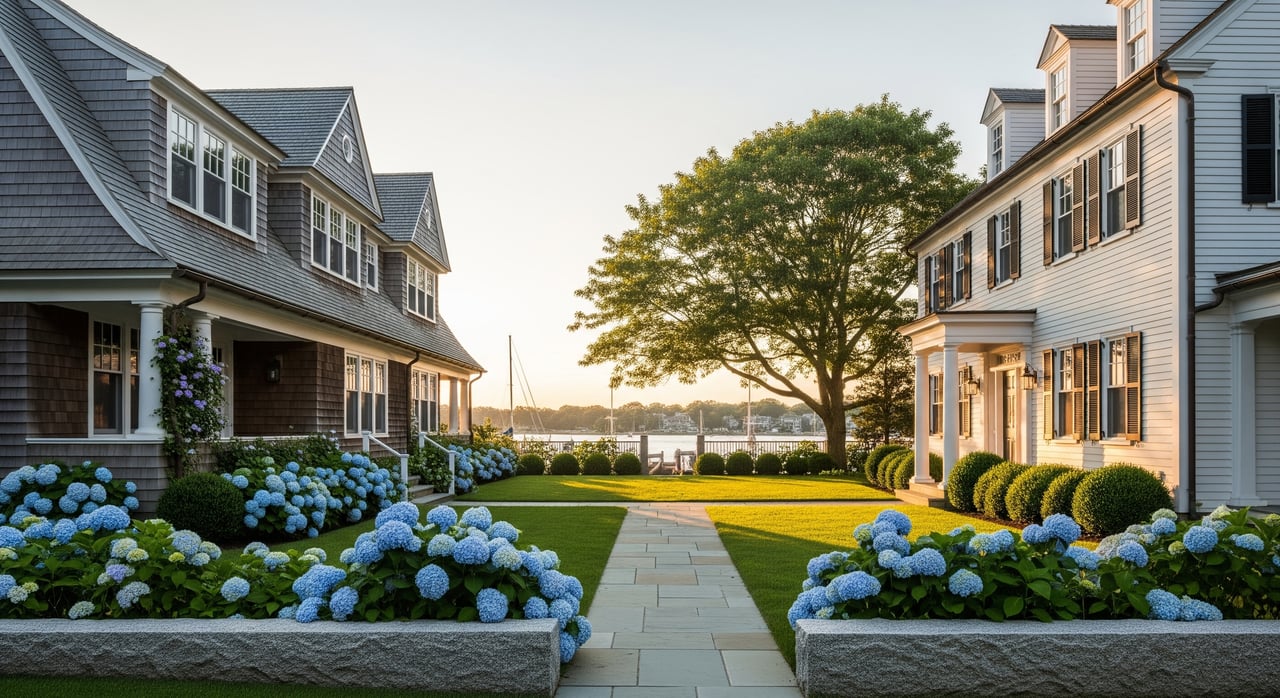
Newport’s streets tell a layered story. Downtown and the Point showcase 18th‑century Colonial and Georgian houses, with later Colonial Revival examples throughout the city. Along Bellevue Avenue, the Cliff Walk, and coastal neighborhoods, you will see Shingle-Style “cottages” shaped by Newport’s Gilded Age summer culture.
Both styles thrive here because they fit the setting. Colonial and Federal forms reflect Newport’s early port wealth and later revival tastes. Shingle-Style grew out of late‑19th‑century New England coastal design that favored informal massing, broad porches, and continuous wood shingles that weather gracefully by the sea.
How to spot a Colonial
Colonial includes early Georgian and Federal houses as well as later Colonial Revival homes that echo earlier motifs.
- Symmetry: A balanced front facade with a centered entry is common.
- Roof: Simple gabled or hipped rooflines; sometimes a gambrel profile.
- Entry: A central door with a pediment, transom or fanlight, and pilasters.
- Windows: Evenly spaced double‑hung sash windows, often 6/6 or 9/9, aligned across floors.
- Materials: Painted wood clapboard or brick with contrasting trim.
- Ornament: Classical details like cornice moldings and, on Federal examples, delicate fanlights and refined trim.
Interior clues include a center hall plan or central chimney in older homes and more formal room separation. Colonial Revival versions may scale up proportions and incorporate modern amenities while keeping the classic look.
How to spot a Shingle-Style
Shingle-Style arrived with Newport’s seaside cottage era and still signals relaxed coastal living.
- Continuous shingles: Walls and roofs often flow together in the same wood shingles, which can weather to a silver gray.
- Asymmetry: Rambling massing with towers, turrets, overhangs, and varied gables.
- Rooflines: Complex forms, wide eaves, and large porches.
- Porches and verandas: Deep, often wrapping spaces oriented to views.
- Windows: Grouped or banded windows, eyebrow dormers, and occasional Palladian accents.
- Materials: Natural textures like cedar shingles and fieldstone foundations, with minimal classical ornament.
Field tip: If a home reads like a coastal cottage with weathered shingles, generous porches, and an informal layout, you are likely looking at a Shingle-Style house or an inspired contemporary.
Coastal realities that affect both
Newport’s salt air, storms, and humidity reward proactive care. Expect to plan for the following:
- Salt exposure that speeds corrosion of metal fasteners, flashing, and HVAC components and can cause paint failure.
- Nor’easters and tropical systems that stress roofs and porches.
- Moisture and mold risks in low-lying basements and crawlspaces.
- Flood considerations on properties within FEMA flood zones, which can influence insurance and renovation choices.
A practical habit is to verify a property’s flood zone and base flood elevation, and to review any existing elevation certificates or floodproofing features.
Colonial care in Newport
Painted wood clapboards and trim look crisp, but they need attention near the coast.
- Painted wood: Inspect annually for blistering and peeling. Plan for touch‑ups or more frequent repainting in exposed locations.
- Trim and sills: Watch for rot at window sashes, sills, and door thresholds where water collects.
- Brick and masonry: Salt can cause scaling and mortar wear. Repoint with appropriate lime‑based mortars in historic brickwork and monitor for settlement cracks.
- Windows: Single‑pane sash are common in historic homes. Storm windows can improve efficiency, and any exterior changes in historic districts may require review.
- Roofing: Wood shingles look period‑correct, but they require more upkeep. Some owners use slate or sensitive modern alternatives where appropriate and approved.
Shingle-Style care in Newport
Shingles bring charm and texture, and they deserve a maintenance plan.
- Cedar shingles: Inspect for checking, decay, and moss or algae growth. Clean gently and replace damaged shingles as needed.
- Finish choices: Natural weathering to a gray patina is traditional. Stains or paints are options in some settings, especially on protected elevations.
- Complex roofs: Valleys, dormers, and sweeping forms need excellent flashing and regular roof checks to prevent water intrusion.
- Porches and rails: Verify solid connections and look for rot at ledger boards and posts where wind and moisture hit hardest.
Annual maintenance checklist
- Walk the exterior to inspect roof, flashing, gutters, shingles, trim, and paint.
- Rinse salt and organic buildup from siding and masonry with low pressure.
- Clear and extend gutters and downspouts to carry water away from the foundation.
- Service HVAC and consider condenser placement away from direct salt spray.
- If in a flood zone, confirm elevation documentation and test sump pumps.
Buyer appeal and value
Both Colonial and Shingle-Style homes can command premiums in sought‑after locations like the waterfront, the Point, Bellevue Avenue, and near the Cliff Walk. Appeal often comes down to lifestyle and layout.
Why buyers choose Shingle-Style
- The New England seaside cottage aesthetic and relaxed, view‑oriented living.
- Broad porches and open, sometimes unconventional rooms that feel unique.
- Historic charm and craftsmanship tied to Newport’s summer colony history.
Why buyers choose Colonial
- Traditional symmetry and formal rooms that are simple to furnish and stage.
- Clear flow for daily life, especially in Colonial Revival homes with updated amenities.
- Period details that read classic and timeless in listing photos and in person.
Maintenance and cost perception
Some buyers expect higher maintenance with wood shingles or older clapboard and trim. Actual carrying costs depend on current condition, materials, and how much historic fabric you preserve. In regulated districts, modern replacements may need approval and can influence buyer perception of authenticity.
Historic districts, approvals, and insurance
A significant portion of Newport falls under local historic district design review. If you plan visible exterior changes, assume you may need approvals.
Working with Newport’s HDC
- Exterior work such as siding, windows, shutters, porches, and additions often requires an application and a Certificate of Appropriateness.
- Engage the City of Newport Historic District Commission early to confirm what is allowed, preferred materials, and submittal requirements.
- Sellers benefit from compiling any past approvals and permits for buyers to review.
Flood, wind, and insurance
- Properties in flood zones often require flood insurance when financed. Premiums reflect zone and elevation.
- Coastal exposure and older systems can raise homeowners insurance costs or trigger mitigation requests such as storm shutters or hurricane straps.
- Lenders may ask for detailed inspections or commentary on condition for older or historic properties.
Incentives and credits
Federal historic rehabilitation credits usually apply to income‑producing properties. State and local programs vary, and guidance is available through Rhode Island preservation agencies.
Staging that fits each style
You want buyers to feel the lifestyle the moment they arrive. Small, sensitive changes can sharpen the story without compromising authenticity.
Shingle-Style quick wins
- Clean shingles and replace visibly damaged pieces on primary elevations. Use gentle methods and coordinate approvals where needed.
- Refresh porches by sanding and recoating floors and rails, then add scaled seating like Adirondack chairs and simple outdoor textiles.
- Keep decor natural and light. Coastal artwork, natural‑fiber rugs, and neutral linens complement weathered wood and stone.
- Arrange furniture to frame water or garden views, and keep window treatments simple to maximize light.
Colonial quick wins
- Accentuate symmetry at the entry with matching planters or lanterns and polished door hardware. A classic knocker reads well.
- Touch up trim and shutters if permitted to create crisp contrast that highlights the facade.
- Stage formal rooms to demonstrate flow, with balanced furniture layouts and a welcoming dining setup.
- Where needed, restore or refinish wood trim and floors to emphasize craftsmanship.
Universal pre‑list prep
- Clean and declutter inside and out. Power‑wash walkways and remove mildew.
- Trim landscaping to reveal architectural details and maintain tidy beds.
- Confirm all exterior lighting works and choose warm bulbs for dusk showings.
- Gather documentation such as inspection reports, maintenance records, and historic approvals. Buyers feel confident when they see proof of care.
What to prioritize before photos
- Fix what cameras catch first: dripping gutters, missing shingles, broken shutters, loose rails, or obvious rot.
- Address safety issues prior to showings.
- Coordinate with the HDC before altering visible exterior materials, paint colors on historic facades, or windows.
Smart next steps for buyers and sellers
- Hire an inspector experienced with older coastal homes. Ask about wood siding, masonry, and moisture management.
- For coastal lots, obtain or review the elevation certificate and confirm flood zone and wind‑mitigation details.
- If the property sits in a historic district, request the HDC file and any Certificates of Appropriateness tied to past work.
- Consider targeted specialty inspections: roofing and flashing, dry rot, chimneys and masonry, and full mechanical reviews.
- Sellers should assemble a maintenance and repairs packet with receipts, contractor contacts, and any relevant historic approvals.
Whether you fall for a weathered Shingle-Style cottage or a dignified Colonial, Newport offers a rich blend of history and coastal living. With the right guidance, you can enjoy the style you love while planning smart for maintenance, compliance, and value. For design‑forward staging, clear transaction management, and local market perspective, connect with Hillary Olinger.
FAQs
What are the key differences between Shingle-Style and Colonial homes?
- Shingle-Style features asymmetry, continuous wood shingles, and broad porches, while Colonials emphasize symmetry, classical entries, and evenly spaced sash windows in painted clapboard or brick.
How does Newport’s coastal climate affect maintenance?
- Salt, wind, and humidity accelerate paint failure, corrosion, and wood decay, so plan annual inspections, gentle cleaning, prompt repairs, and diligent roof and flashing checks.
Do I need approval to update exteriors in Newport’s historic districts?
- Many visible exterior changes require review and a Certificate of Appropriateness from the City of Newport Historic District Commission, so consult the HDC early.
What insurance should I consider for coastal properties in Newport?
- Homes in flood zones may need flood insurance, and coastal exposure can affect homeowners insurance and mitigation requirements like storm shutters or straps.
Which style is easier to stage for buyers?
- Colonials often stage easily due to formal layouts and symmetry, while Shingle-Style homes shine when you highlight porches, views, and relaxed coastal textures.
What inspections are most important for older coastal homes?
- Seek a full home inspection plus targeted reviews for roofing and flashing, wood rot, chimneys and masonry, moisture control, and mechanical systems.