Is your Newport home telling the right coastal story the moment buyers walk in? In a market where views, light, and outdoor living drive desire, presentation is not optional. You want to showcase lifestyle while answering practical questions about maintenance, permits, and flood risk. This guide shows you how to stage for today’s coastal buyers, where to invest, and how to time your launch for the strongest results. Let’s dive in.
What Newport buyers want now
Light, views, and easy flow
Coastal buyers come for the water and stay for the light. Arrange seating to face windows and sliders so the view becomes the focal point. Keep drapery light, raise shades fully for showings, and simplify furniture layouts to protect sightlines. Natural light and clean lines help your rooms read larger and calmer.
Outdoor living that sells
Treat porches, decks, and docks like rooms. Add weather-ready seating, a compact dining setup, and coordinated outdoor textiles so buyers imagine summer evenings right away. For higher-end homes, plan a simple al‑fresco table setting and soft lighting for twilight photos to underline lifestyle.
Confidence in care and durability
Salt air and wind are part of coastal life. Use corrosion-resistant hardware and outdoor pieces that look sharp and stand up to weather, like powder‑coated aluminum, marine‑grade stainless, teak, and performance fabrics. These choices reduce visible wear and keep your home photo-ready between showings. If you are sourcing new pieces, review advice on durable outdoor materials to help your selections last and look polished throughout your listing period.
- Learn about durable outdoor finishes and fabrics: materials that perform in coastal settings
Prep the outside first
Curb and waterfront basics
First impressions start at the curb and continue to the water’s edge. Power-wash siding and walkways, touch up trim, repair railings and steps, and service gutters and visible roof areas. On the waterfront, ensure decks and dock boards are secure and clean. Small repairs speak volumes about ongoing care.
Docks, seawalls, and paperwork
If you have a dock, seawall, or mooring, gather maintenance records and any permits before you list. Buyers will ask, and clear documentation removes friction. If work is needed, get written estimates so you can answer questions with facts.
Be transparent about flood risk
Most coastal buyers will check flood zones and insurance early. Pull your address at the FEMA Flood Map Service Center and have any elevation certificates ready to share. For long-term context, explore sea level tools for Rhode Island so you can speak confidently about exposure and resilience.
Honor Newport’s historic character
What needs approval in historic districts
Newport’s Historic District Commission (HDC) reviews exterior changes in local historic districts. Interior staging is generally outside their review, but exterior work often requires a Certificate of Appropriateness. Before you alter paint colors, windows, openings, or visible landscape features, review the city’s HDC guidance and application steps.
- Check the HDC process and application: Newport Historic District Commission application
Stage with respect, not replicas
Let original mantels, mouldings, staircases, and built‑ins shine. Pair a few period-appropriate elements with neutral, modern furnishings to show livability without creating a false sense of age. Keep staging reversible and use smaller-scale furniture in compact rooms common to older homes.
Cottages, Colonials, and grand waterfronts
- Cottages: brighten with light paint, edit decor, and define clear functions for small rooms. Use mirrors to amplify light.
- Historic Colonials: clarify kitchen flow and bath usability while highlighting preserved details. Blend modern pieces thoughtfully so the character reads, not clashes.
- Luxury waterfront: invest in selective high-end staging, curated outdoor entertaining setups, and professional twilight imagery. If your property relates to notable historic landscapes, the Preservation Society of Newport County is a helpful model for sensitive presentation.
Photos and visual marketing that convert
What to photograph
Plan a photo day after deep cleaning and decluttering. Open all window treatments, remove visible cords, and stage a single focal point per room. For coastal listings, prioritize wide exteriors, interiors that capture the view, decks and patios with lifestyle vignettes, primary suite, and kitchen. If appropriate and permitted, add aerial context and twilight exteriors to complete the story.
Physical or virtual staging
Physical staging is still the gold standard for in-person tours. According to the National Association of REALTORS, roughly 3 in 10 agents reported that staging produced a 1–10 percent increase in offer price, and staged rooms help buyers visualize use. If the home is empty or budget is tight, consider virtual staging for secondary spaces to boost online engagement at a lower cost.
Where to invest first
Photos, videos, and virtual tours are important to buyers. Focus staging efforts on the living room, primary bedroom, and kitchen, since those rooms most influence decision-making. Hire a photographer experienced with waterfront properties and twilight capture so you land high-impact images from day one.
Timeline and budget: 6–12 months out
A clear plan reduces stress and saves money. Work backward from your target list date.
6–12 months: strategy and big items
- Request a comparative market analysis and consider a pre‑listing inspection, especially for historic fabric and any seawall or dock concerns.
- Identify exterior repairs that may require permits and, if in a historic district, review the HDC process. Build in extra time for approvals.
8–12 weeks: finish and furnish
- Complete landscaping touches, paint refreshes, deck fixes, and weatherproofing.
- Select outdoor furniture and lighting that can live outside during showings and photography.
4–6 weeks: stage and shoot
- Declutter, deep clean, and install rented staging pieces.
- Schedule professional photography for interior, exterior, twilight, and drone where appropriate.
- Add virtual staging for any remaining empty secondary rooms.
0–2 weeks: launch-ready
- Final polish inside and out. Confirm HVAC, roofline views, generator area, and dock read clean and orderly.
- Publish your listing with a complete photo set and clear notes on waterfront lifestyle plus practical facts like flood zone and historic status.
Budget planning by price band
Costs vary by scope and inventory, but these planning ranges help you right-size your spend:
- Under $800k list: $500–$2,000 for partial staging, decluttering support, and pro photos.
- $800k–$1.8M: $1,500–$6,000 for targeted room staging, patio setup, and full professional imagery.
- $1.8M and up: $5,000–$25,000 for full furniture rental, design-forward styling, twilight and aerial images.
NAR data indicates staging can reduce days on market and often contributes to higher offers. Consider ROI room by room and align the plan with your property’s strengths.
If budget is tight, prioritize
- Safety and visible repairs at curb and waterfront. 2) Professional photography. 3) Staging for living room, primary bedroom, and kitchen. 4) Deck and patio staging with twilight shots. 5) Virtual staging for secondary rooms.
Room-by-room quick wins
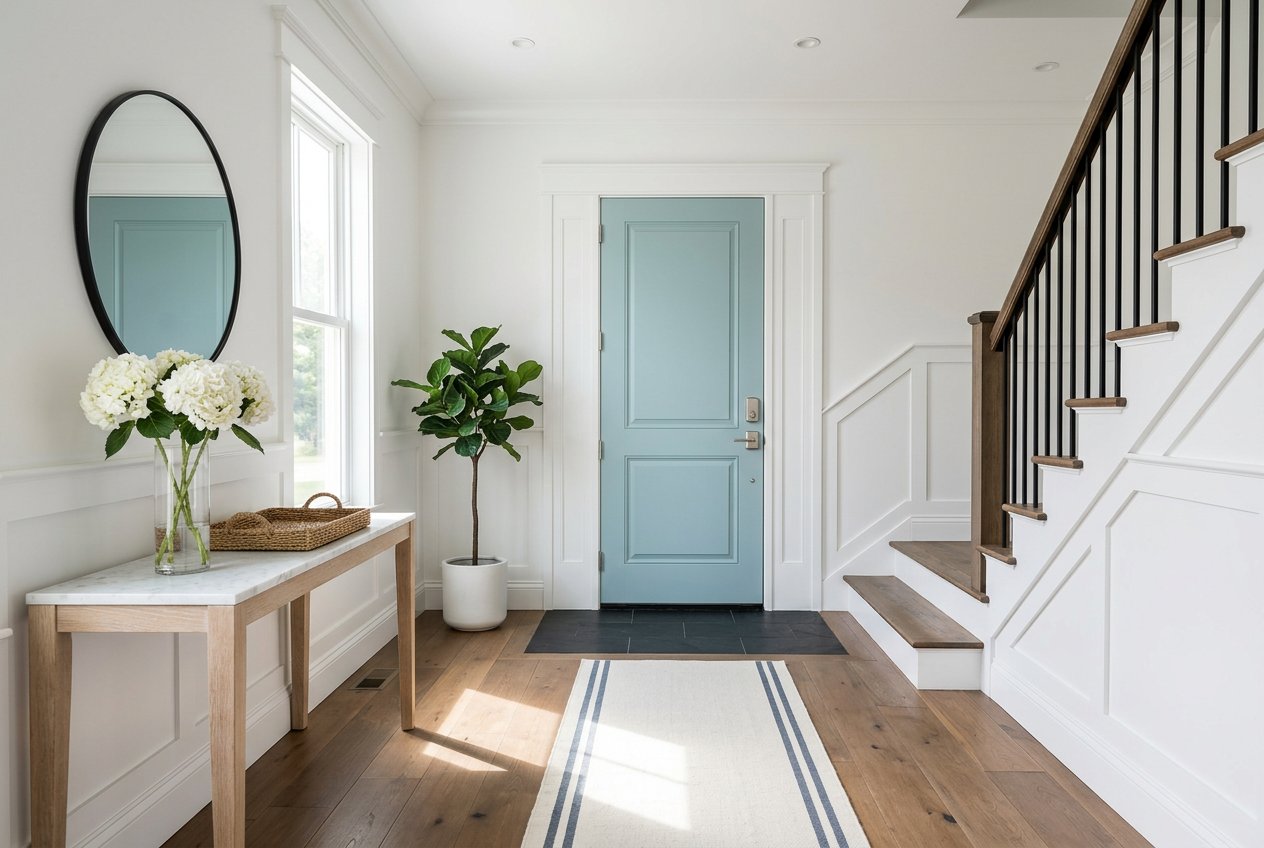
- Entry: keep it bright and simple. Add a slim console or bench, a mirror, and updated lighting.
- Living room or parlor: center seating on the view or fireplace. Use a neutral rug and matching lamps for balance.
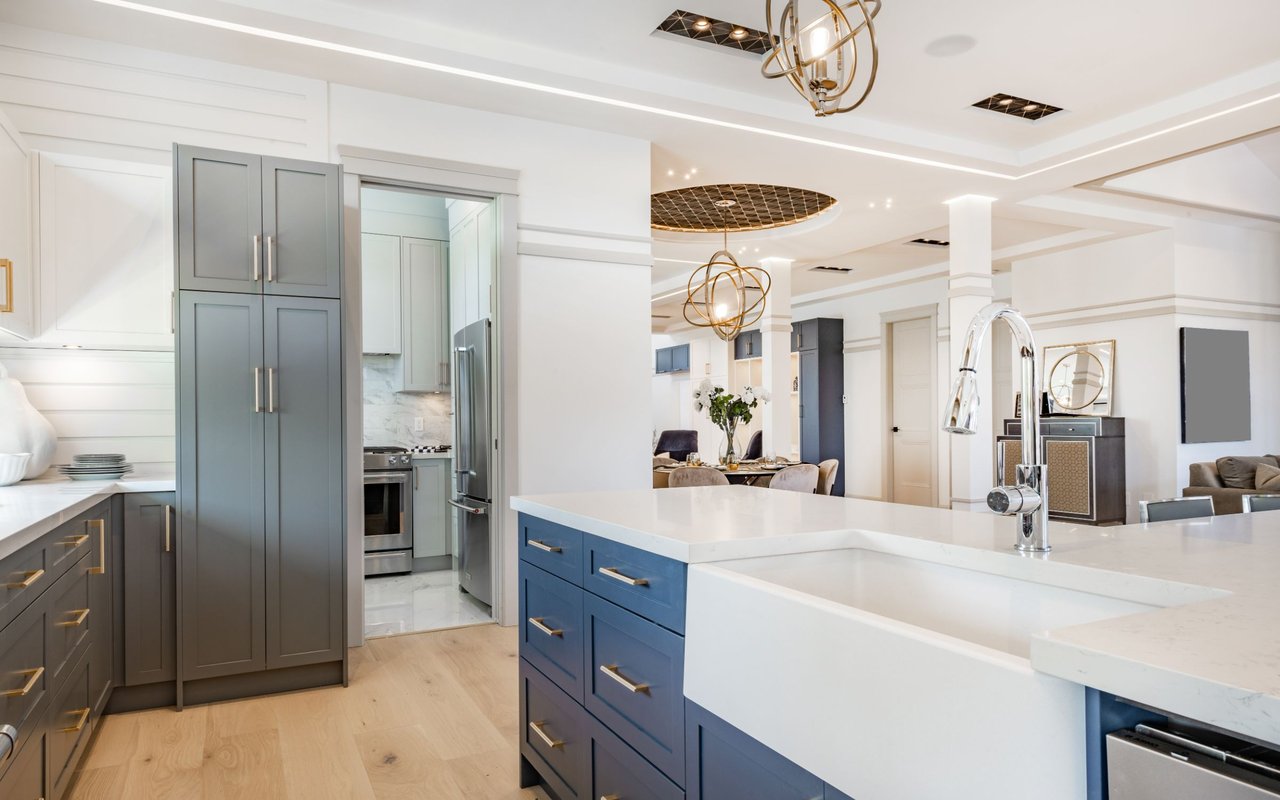
- Kitchen: clear counters, add one fresh vignette like fruit or flowers, and polish hardware.
- Primary suite: calm bedding in scaled layers, neutral art, and a tidy closet to show storage.
- Small rooms in older homes: assign one clear function with right-size furniture and bring in mirrors to bounce light.
- Outdoor spaces: power-wash, tidy plantings, set seating with performance cushions, and add simple path lighting for evening showings. Choose marine-durable textiles and materials that look crisp and resist mildew.
Use local resources to your advantage
- Understand exterior approvals: Newport HDC application and guidance
- Learn from local stewardship models: Preservation Society of Newport County
- Be proactive about flood info: FEMA Flood Map Service Center
- Prepare for long-term questions: Rhode Island sea level and coastal tools
- Align with national staging insights: NAR staging report highlights
- Time your launch with tourism in mind: Rhode Island welcomed a record 28.4 million visitors in 2023, which supports strong spring and summer buyer traffic. See the state’s report on tourism volume: RI visitor milestone
Ready to list with confidence
When you stage for how Newport buyers live — open light, seamless outdoor flow, and materials that handle salt and sun — you help them fall in love faster. Pair that with proactive maintenance records, clear flood information, and sensitive handling of historic details, and you reduce friction from the first showing through inspection. If you want a design-forward plan and elevated marketing that fits your timeline, connect with Hillary Olinger for a tailored strategy.
FAQs
When is the best time to list a coastal home in Newport?
- Spring and early summer often bring more buyer traffic, supported by strong seasonal tourism across Rhode Island that peaks in warm months.
How much should I budget for staging in Newport?
- Planning ranges often run $500–$2,000 for cottages, $1,500–$6,000 for mid‑market homes, and $5,000–$25,000 for luxury properties, depending on scope and inventory.
Do I need approval to change my exterior in a historic district?
- Many exterior changes in Newport historic districts require HDC review and a Certificate of Appropriateness, so verify the process before you start.
What outdoor materials stand up to salt air?
- Look for powder‑coated aluminum, marine‑grade stainless, teak or rot‑resistant woods, and performance fabrics that dry quickly and resist mildew.
How can I address flood risk questions from buyers?
- Pull your property’s flood zone at FEMA’s site, gather any elevation certificates, and be ready to discuss insurance and resilience using trusted coastal tools.
Should I choose physical or virtual staging?
- Physical staging is strongest for in-person tours, while virtual staging can cost-effectively fill gaps in empty secondary rooms to boost online engagement.